Author: Andy Romero

Founder of ATRIUM, she writes about AI, SEO, and growth strategy for service businesses. She focuses on building practical systems, partnerships, and positioning strategies that help companies attract better clients and scale sustainably.

Building a Strong Identity: Branding Strategies for Architects

Branding for architects is a powerful tool for building trust and fostering connections with clients. In today’s competitive market, a well-crafted brand identity can set firms apart, communicating reliability and design philosophy while driving substantial business growth.

Key Takeaways:

  • 81% of consumers require brand trust before considering a purchase
  • Strong branding can boost brand growth by 20%
  • User-generated content is 50% more trusted than traditional media
  • 90% of architecture firms have 1-50 employees
  • Effective branding strategies leverage digital platforms and AI tools

The Power of Branding in Architecture

In the architecture industry, branding goes beyond logos and color schemes. It’s about creating a lasting impression that resonates with clients and sets your firm apart. With 81% of consumers needing to trust a brand before making a purchase, architects must focus on building credibility through their branding efforts.

A strong brand identity can communicate your firm’s values and design philosophy effectively. This connection is crucial, as 57% of consumers prefer companies they feel connected to over competitors. By investing in branding, architectural firms can increase their growth potential by up to 20%, making it a vital component of business strategy.

Navigating Economic Challenges Through Branding

The architecture industry has faced its share of economic hurdles. The Architecture Billings Index (ABI) has been below 50 for 27 of the last 30 months as of March 2025, indicating a contraction in billings. However, recent stabilization in commercial property values and interest rates provides a glimmer of optimism for the coming year.

With an average project backlog of 6.5 months, firms have a runway to focus on brand-driven marketing efforts. This period presents an opportunity to strengthen client relationships and attract new business through strategic branding initiatives. By showcasing reliability and expertise during challenging times, firms can build lasting trust with clients.

Effective Branding Strategies in the Digital Age

In today’s digital landscape, architects must adapt their branding strategies to stand out. User-generated content has become a powerful tool, being 50% more trusted and 20% more influential than traditional media. Firms should leverage digital platforms to share testimonials, project stories, and behind-the-scenes insights.

To create a strong visual brand, incorporate design principles such as emphasis, proportion, and hierarchy. Focus on visual platforms like Instagram and LinkedIn for portfolio showcasing. Here are some key strategies to consider:

  • Use storytelling to highlight unique project experiences
  • Showcase your design process through time-lapse videos or sketches
  • Share client testimonials and project outcomes
  • Utilize AI tools for rendering and project management

One-third of firms are actively using AI for various tasks. Key software tools in the industry include Revit, AutoCAD, SketchUp, Bluebeam, and Material Bank. Integrating these tools into your branding narrative can demonstrate your firm’s technological proficiency and innovation.

Branding’s Role in Talent Attraction and Business Growth

Branding isn’t just about attracting clients; it’s also crucial for talent acquisition. With 90% of architecture firms having 1-50 employees, standing out as an employer is vital. A strong brand can position your firm as a desirable workplace, attracting top talent in a competitive market.

Interestingly, women’s salaries in architecture grew faster than men’s in 2025, highlighting the industry’s progress in gender equality. Firms can use this trend in their branding to showcase their commitment to diversity and inclusion.

To measure the impact of branding on business growth, track metrics such as the ABI and new contract values. The Monograph’s 2025 Benchmarks Report provides valuable industry standards for comparison. By focusing on consistent branding and showcasing your firm’s unique value proposition, you can drive business growth and establish a strong market position.

Sources:
American Institute of Architects (AIA): Will the 2025 economy improve for architects?
Emulent: 2025 State of Marketing Report for the Architecture & Design Industry
American Institute of Architects (AIA): ABI March 2025: Business conditions at architecture firms stabilize
Blacksmith Agency: Branding Statistics
Monograph: Monograph Releases 2025 Salary and Business Benchmarks for Architects & Engineers
ThinkLab: 2025 US Design Industry Benchmark Report
Toptal: Principles of Design
Bespoke Careers: Architecture and Design Market Report 2025

The Importance of High-Quality 3D Renderings in Architecture

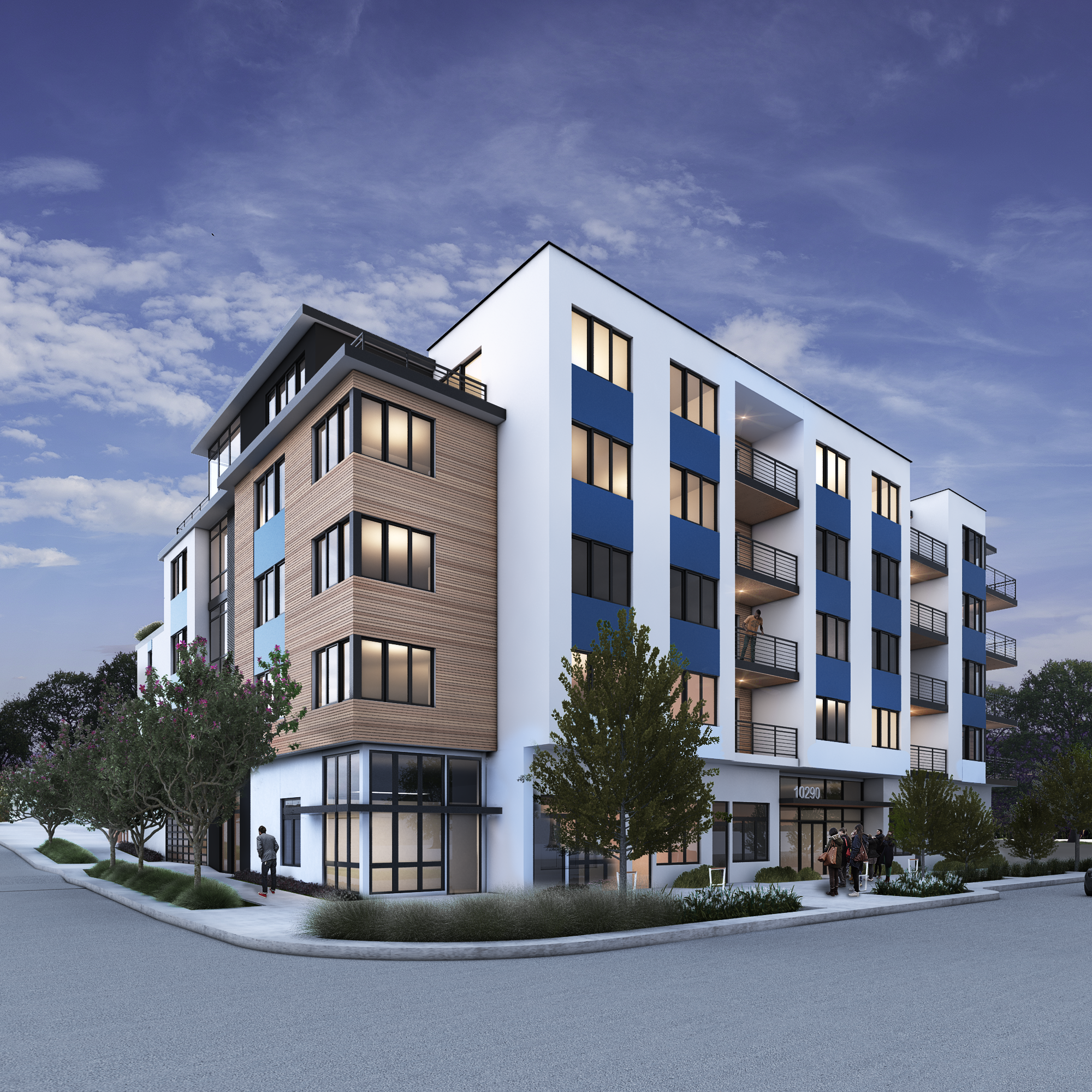
In the world of architecture, the ability to visualize a project before it is even built is crucial. This is where architectural 3D renderings come into play. High-quality renderings not only allow architects to showcase their designs to clients and stakeholders but also aid in the decision-making process. As an architectural rendering company, we believe that collaborating with us can significantly enhance the effectiveness and efficiency of the architectural design process. Let’s explore why architects need high-quality renderings and how working with our company can be beneficial for them.

Captivating Visual Communication

Architectural renderings serve as a powerful tool for communication between architects, clients, and stakeholders. They provide a virtual representation of the project, allowing everyone involved to better understand the design intent. By working with our architectural rendering company, architects can achieve renderings that captivate the viewer and effectively convey the essence of the design. Our skilled team of artists and designers ensure that every detail is accurately portrayed, resulting in stunning and visually appealing renderings.

Making Informed Design Decisions

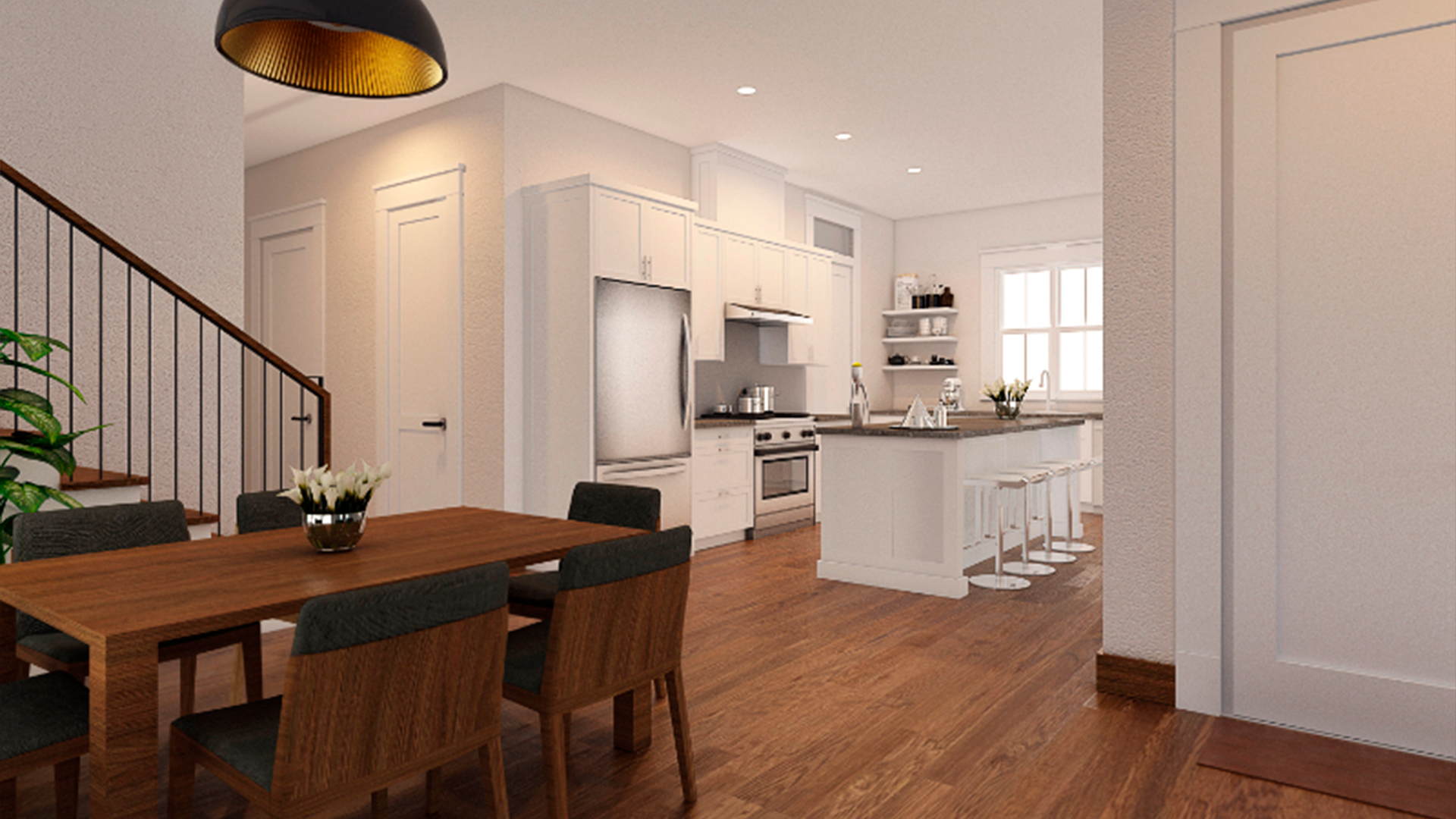
Design iterations are a fundamental part of the architectural design process. High-quality renderings enable architects to evaluate different design options and make informed decisions. By collaborating with our architectural rendering company, architects can receive accurate and realistic renderings that help them envision the project in its entirety. These renderings provide insights into space utilization, material selection, and lighting conditions, allowing architects to refine their designs and create spaces that truly meet the needs and expectations of the clients.

Gaining a Competitive Edge

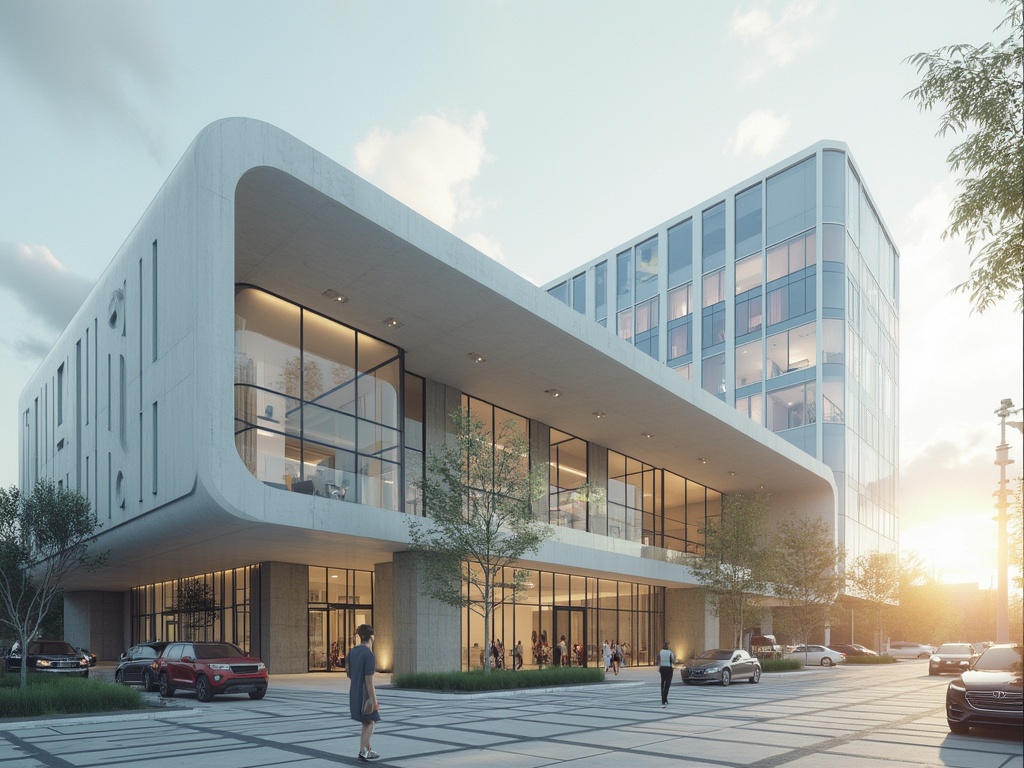
In today’s competitive architectural industry, it is crucial for architects to stand out and differentiate themselves from the competition. High-quality renderings can serve as an effective marketing tool, enabling architects to showcase their designs in the best possible light. By partnering with our architectural rendering company, architects can benefit from our expertise in creating photorealistic renderings that leave a lasting impression. Our renderings can be used in portfolios, presentations, marketing materials, and online platforms to attract clients, investors, and potential collaborators.

Saving Time and Resources

Creating physical models or building prototypes can be time-consuming and expensive. High-quality renderings offer a cost-effective alternative that allows architects and developers to visualize their designs without the need for physical construction. By working with Atrium Visual Studio our clients can save time and resources by eliminating the need for costly physical models. Our renderings can be produced quickly and efficiently, helping aour customers stay on schedule and within budget.

Final Thoughts

In the world of architecture, high-quality renderings have become an indispensable tool for architects and designers. They help communicate design intent, aid in decision-making, and strengthen marketing efforts. By collaborating with Atrium Visual Studio, architects and real estate developers can ensure that their renderings are visually stunning, accurate, and realistic. We are committed to providing top-notch renderings that fulfill the needs and exceed the expectations of our clients. So why settle for anything less when you can work with an architectural rendering company that prioritizes quality and excellence? Contact us today and let us bring your architectural visions to life!

Branding for Architects and Why You Should Have a Media Kit

In today’s digital age, architects must go beyond their design capabilities and showcase their work effectively. One powerful tool that can help architects stand out and establish a strong professional presence is a media kit. A well-crafted media kit can serve as a comprehensive portfolio, a marketing tool, and a means of communication with clients, colleagues, and the media. As markets become more saturated and pressure rises for brands to be more than just a nice logo, there has become a need for a way to package and present a brand’s story and practical information in a way that is professional, convenient, and eye-catching. Let’s explore some key reasons why architects need a media kit and how it can benefit their careers.

Showcasing your Expertise

As an architect, your work speaks volumes about your skills and capabilities. A media kit allows you to present your portfolio of projects, highlighting your expertise and design aesthetic. By including high-quality images, descriptions, and background information about each project, you can effectively demonstrate your creative approach, problem-solving skills, and attention to detail. A media kit acts as a digital showcase of your work, allowing potential clients and collaborators to gain a deeper understanding of your design philosophy and abilities.

Building Credibility and Trust

In any professional field, credibility and trust are essential. A media kit can help you establish yourself as a reputable architect by including elements that showcase your qualifications and achievements. This may include your educational background, certifications, awards, publications, and testimonials from satisfied clients. By providing concrete evidence of your capabilities and accomplishments, a media kit helps build trust and confidence in your abilities, increasing the likelihood of securing new projects and collaborations.

Enhancing Networking Opportunities

Networking plays a crucial role in the architecture industry. Whether you’re attending industry events, conferences, or connecting with potential clients online, a media kit can significantly enhance your networking opportunities. By including your contact information, social media handles, and a clear call-to-action, you make it easy for others to connect with you. Additionally, by providing a downloadable and printable version of your media kit, you can leave a lasting impression on those you meet, ensuring they have a tangible representation of your work

to refer back to.

Prospective Clients

Your media kit can be your greatest selling tool since it can captivate and engage potential clients.This is your chance to create a captivating selling tool that showcases your unique brand and work. By incorporating professional photos, well-written copy, and on-brand design, you can craft a media kit that not only informs but also persuades. This comprehensive resource should include all the necessary information about credentials, process, and pricing, infused with a healthy dose of personality. Just as you would meticulously prepare for an in-person presentation or an introductory sales pitch, investing equal care into crafting your media kit is vital. Even if the prospective client never visits your social media accounts or your website, they should walk away armed with all the information they need to wholeheartedly embrace your services.


What to Include in Your Media Kit- Branding for Architects?

Now that you see the value of having a media kit, here’s the breakdown of what you should include:

Professional Photos

This is a must have. If you are an architect, you need high-quality, consistent, beautiful photos or 3D renderings of your projects. It’s an investment, but it’s nearly impossible to market your services without them. This is just another place where their presence is essential.

Brand Story ( Branding for architects)

Branding is probably the best way to a captive an audience. Use this as an opportunity to share your background, credentials, your best work, and what makes you different from your competitors (Hint: Atrium Visual can help you with that)

Testimonials

In a service-driven industry, reviews are extremely important. Share a few of your favorite client quotes that highlight your expertise and will get potential clients excited to work with you.

Process Breakdown

It’s important to explain your process, so that your potential clients know what to expect. This shows that you are professional and organized.

Explanation of Value

List out what your client receives from working with you, being as thorough as possible. Every client wants to feel like they’re getting a great value for their investment.

FAQs
Addressing the frequently asked questions can be a helpful way to save time on your client process.


Team Bios
Include a little introduction to your team, even if it’s just you. This is another important part of branding, remember your visual image should be cohesive and maintain the same quality through out all platforms and in all points of contact with your client.

Atrium Visual can help you create beautiful portraits that are an extension of your brand.


Why Your Google & Meta Ads Aren’t Converting (And How to Fix Them)

Struggling to get leads from your real estate ads? Learn the common mistakes in Google & Meta Ads for Real Estate and discover how to create high-converting ads that actually sell.

Why Aren’t Your Google and Meta Ads Working?

You’ve spent money on Google and Meta (Facebook/Instagram) ads, expecting a steady flow of leads. But instead of conversions, all you get are clicks that don’t translate into inquiries or sales. Sound familiar?

Real estate marketing is highly competitive, and simply running ads isn’t enough. The key to success lies in targeting the right audience, crafting compelling creatives, and optimizing every step of your campaign. Let’s break down the most common mistakes and how to fix them.


1. Poor Targeting: Reaching the Wrong Audience

One of the biggest reasons your Google & Meta Ads for Real Estate ads aren’t converting is that they’re being shown to the wrong people.

Common Targeting Mistakes:

  • Too broad an audience – Casting too wide a net wastes ad spend on people who aren’t serious buyers.

  • Ignoring location-based targeting – Real estate is local, but many campaigns fail to set precise geographic targeting.

  • Not leveraging lookalike audiences – If you’re not using data from past clients and interested buyers, you’re missing a major opportunity.

Fix It:

  • Use detailed audience targeting based on demographics, behaviors, and interests.

  • Set location-based targeting to focus on buyers in specific cities, neighborhoods, or regions.

  • Utilize lookalike audiences to reach people similar to those who have engaged with your brand before.

2. Weak Ad Creatives: Your Ads Aren’t Catching Attention

Real estate is a visual industry. If your ads blend into the feed, they won’t grab attention or drive conversions.

Common Creative Mistakes:

  • Low-quality images or generic stock photos

  • Text-heavy graphics that overwhelm viewers

  • Boring headlines that don’t highlight the property’s unique value

Fix It:

  • Use high-quality, eye-catching visuals, including professional photos and 3D renderings.

  • Keep ad copy concise and compelling.

  • Test different creatives to see what resonates best with your audience.

3. Misaligned Messaging: Your Ads Don’t Match Buyer Intent

Your ad messaging needs to speak directly to your audience’s needs. If it’s vague, confusing, or misaligned with your landing page, you’ll lose potential buyers.

Common Messaging Mistakes:

  • Focusing on features instead of benefits – Buyers care about how a home fits their lifestyle, not just square footage and amenities.

  • Inconsistent messaging – If your ad says “Luxury Condos Under $500K” but the landing page shows higher prices, users will bounce.

  • Lack of urgency – Without a clear call-to-action (CTA), users won’t feel compelled to take the next step.

Fix It:

  • Write ad copy that emphasizes lifestyle benefits (e.g., “Imagine waking up to a breathtaking skyline view every morning!”).

  • Ensure consistency between ad content and the landing page.

  • Use strong CTAs like “Schedule a Tour Today” or “Limited Units Available – Act Now!”

4. Your Landing Page Isn’t Optimized for Conversions

Even if your ad is perfect, a poorly designed landing page can kill conversions.

Common Landing Page Mistakes:

  • Slow load times – A delay of just a few seconds can drive potential buyers away.

  • Too much information – Overloading visitors with text and options creates decision fatigue.

  • No clear call-to-action – If there’s no easy way to contact you or book a viewing, users won’t convert.

Fix It:

  • Ensure fast-loading, mobile-friendly pages.

  • Keep forms simple – only ask for essential details.

  • Use prominent CTAs like “Book a Showing” or “Download Brochure.”

5. You’re Not Tracking or Testing Your Ads

Running ads without tracking results is like shooting in the dark. If you’re not analyzing performance data, you won’t know what’s working and what’s not.

Fix It:

  • Use Facebook Pixel and Google Analytics to track conversions.

  • A/B test different ad creatives, headlines, and CTAs to optimize performance.

  • Monitor cost-per-click (CPC) and conversion rates to adjust strategy accordingly.

How ATRIUM Can Help Optimize Your Real Estate Ads

At ATRIUM, we specialize in creating high-converting marketing strategies for real estate developers, architects, and designers. Our services include:

  • Custom Ad Campaign Strategy – We target the right audience with the right message.

  • Premium 3D Renderings & Visuals – Stunning images that make properties stand out.

  • Landing Page & Website Optimization – Ensuring your digital presence drives results.

Get a Free Ad Audit!

Not sure why your ads aren’t converting? Let us take a look! Claim your free ad audit today, and we’ll identify key areas for improvement to help you maximize your ad spend.

Your Google and Meta ads can generate high-quality leads—if they’re done right. By improving targeting, enhancing creatives, and optimizing landing pages, you can turn your ad spend into actual sales.

Rendering Tech Is Evolving—But Are Small Firms Being Left Behind?

Rendering technology is evolving rapidly, but is it leaving small firms behind? Discover what’s worth investing in, key trends, and how outsourcing can level the playing field.

Keeping Up With Rendering Tech: A Challenge for Small Firms

If you’re an architect or designer running a small firm, you’ve probably noticed how fast rendering tech is changing. AI-assisted tools, real-time rendering, and ultra-realistic visuals are becoming industry norms. But with high costs, steep learning curves, and constant updates, it’s easy to feel like you’re falling behind.

New software promises faster results, but mastering these tools requires time and investment. Meanwhile, larger firms with dedicated teams can quickly adopt and integrate cutting-edge tech, making competition even steeper for smaller players.

The good news? You don’t have to invest in every new tool to stay competitive. Let’s break down what’s worth your time and money—and how outsourcing rendering support can help you compete with the big firms.

The Tech Race: What’s New and What’s Noise?

The rendering industry is evolving rapidly, with new software, AI-driven tools, and real-time rendering technology making headlines. But not all innovations are worth the investment. Small firms must carefully assess which advancements bring real value versus those that are just hype.

Key Developments to Watch:

  • AI-Driven Rendering Tools: Automation of lighting, material application, and scene optimization to speed up workflows.

  • Real-Time Rendering: Faster visualization tools like Twin motion and Unreal Engine streamline client feedback and design iterations.

  • Cloud-Based Rendering: Reduces hardware limitations by offloading processing power to external servers.

  • Virtual Reality (VR) & Augmented Reality (AR): While still emerging, these technologies offer exciting opportunities for immersive client presentations.

What’s Just Noise?

  • Expensive One-Size-Fits-All Solutions: Some rendering suites are overkill for small firms.

  • Trend-Based Features: Just because a feature is new doesn’t mean it’s necessary for every project.

  • Overcomplicated AI Promises: AI tools are evolving, but they are not yet a substitute for human creativity and expertise.

What’s Worth the Investment?

Not every new piece of software is essential for your firm. Instead of chasing trends, focus on key investments that improve efficiency and quality without breaking the bank.

1. Essential Rendering Software

  • Must-Have: Reliable rendering software like V-Ray, Corona Renderer, or Lumion. These offer high-quality results without overwhelming complexity.

  • Nice-to-Have: AI-assisted tools (such as Enscape) that speed up workflow but require adaptation.

2. Hardware Upgrades That Matter

  • A high-performance GPU (graphics card) is crucial for faster rendering times.

  • More RAM and processing power can significantly improve efficiency, reducing lag and boosting productivity.

The Cost Challenge for Small Firms

Investing in the latest rendering technology comes with significant financial challenges. Small firms must consider:

  • High Upfront Software Costs: Licensing fees for premium rendering tools can be prohibitive.

  • Expensive Hardware Upgrades: Advanced rendering engines require powerful GPUs, additional RAM, and high-performance CPUs.

  • Ongoing Training and Learning Curves: Time spent learning new software means less time for billable work.

  • Subscription and Maintenance Fees: Many tools require ongoing costs that add up quickly.

For small firms, these expenses can limit profitability and stretch budgets thin, making it crucial to prioritize cost-effective solutions.

Where AI and Real-Time Rendering Really Fit In

AI and real-time rendering promise to revolutionize architectural visualization, but how practical are they for small firms?

AI in Rendering:

  • Automates tedious tasks like lighting adjustments and texture refinements.

  • Reduces rendering times by optimizing settings intelligently.

  • Helps generate concept visuals quickly for client discussions.

Real-Time Rendering:

  • Allows for live updates to models and instant visualization of changes.

  • Speeds up feedback loops and design decision-making.

  • Enhances presentations with interactive 3D models.

The Catch:

  • These technologies still require powerful hardware or cloud services.

  • The learning curve can be steep.

  • AI tools are best used as assistants, not replacements for human expertise.

Simple Ways to Stay Competitive Without Burning Out

Small firms can stay ahead without overcommitting to expensive technology by focusing on:

  • Prioritizing Essential Tools: Stick with high-quality rendering software like V-Ray, Corona, or Lumion that fit your workflow.

  • Utilizing Cloud-Based Rendering: Save on hardware costs while accessing top-tier rendering power.

  • Outsourcing When Needed: Offload rendering tasks to experts when workloads spike.

  • Investing in Smart Training: Focus on tools that will have the biggest impact on efficiency.

  • Leveraging Free and Affordable Resources: Many platforms offer trial versions or lower-cost plans for small businesses.

Why Outsourcing Levels the Playing Field

Outsourcing your rendering needs can be a game-changer, allowing you to:

  • Access high-quality visuals without investing in expensive tools.

  • Free up time for design work and client meetings.

  • Stay flexible with scalable rendering support for different project sizes.

  • Compete with larger firms by delivering top-tier presentations without the in-house costs.

How Partners Like ATRIUM Can Fill in the Gaps

Navigating rendering advancements doesn’t have to be overwhelming. By partnering with visualization experts like ATRIUM, small firms can:

  • Get high-quality 3D renderings without investing in expensive software.

  • Save time and reduce workloads by outsourcing complex rendering tasks.

  • Stay flexible and scalable with on-demand visualization support.

  • Compete with larger firms by delivering top-tier visual presentations without the overhead costs.

At ATRIUM, we help small firms compete by delivering high-end 3D renderings, 360° visualizations, and branding support—without the stress of managing in-house rendering. Whether you need a single rendering or ongoing visualization support, we provide tailored solutions that fit your workflow and budget.

Final Thoughts: Smart Choices for Small Firms

Keeping up with rendering tech doesn’t mean chasing every new trend. Instead, focus on tools that genuinely enhance your workflow. If the costs of new software and training feel overwhelming, outsourcing can bridge the gap—giving you access to cutting-edge technology without the headaches.

Success isn’t about having the latest tools; it’s about delivering quality work efficiently. By making smart choices, your small firm can remain agile, competitive, and ready to take on bigger projects with confidence.

Want high-quality renderings without the hassle? Let’s talk!

The Hidden Costs of a Weak Brand: Why Your Real Estate Project Isn’t Selling?

Poor branding can cost real estate developers millions in lost sales. Discover how weak logos, inconsistent messaging, and unprofessional websites drive potential buyers away—and how to fix it.

Is Your Brand Holding Your Project Back?

In real estate, first impressions matter. The moment a potential buyer or investor sees your project, they’re already forming opinions. But what if your brand isn’t sending the right message? A weak brand—whether it’s an unpolished logo, inconsistent messaging, or an outdated website—can create doubt and hesitation, leading to lost sales and missed opportunities.

Branding isn’t just about aesthetics. It’s about trust, credibility, and value. A strong, professional brand signals to buyers that your project is worth their investment. On the other hand, a poorly executed brand can make even the best real estate developments struggle to gain traction.

Let’s break down the hidden costs of a weak brand and what you can do to fix it.

1. Poor Branding = Lost Sales Opportunities

Imagine a high-end residential development with stunning architecture and premium amenities. But when a potential buyer visits the website, they find blurry images, outdated design, and inconsistent messaging. The disconnect between expectation and presentation is enough to make them move on to a competitor.

How Real Estate Branding Affects Sales::

  • Unprofessional Logos & Design – A low-quality or generic logo undermines the perceived value of your project.

  • Weak Online Presence – A poorly designed website with slow load times or outdated content creates doubt.

  • Inconsistent Messaging – Mixed branding across marketing materials confuses potential buyers.

The Cost:

  • Buyers lose confidence in your project’s quality.

  • Delays in sales as potential buyers hesitate.

  • Increased marketing expenses to compensate for weak branding.

2. Investors and Buyers Trust Strong Brands

Branding isn’t just about making something look good—it’s about building trust. Developers often focus on the physical aspects of their projects (location, architecture, amenities) but forget that perception plays a massive role in attracting investors and buyers.

What Builds Trust?

  • A Cohesive Visual Identity – Professional logos, typography, and color schemes that reflect quality.

  • A Strong Online Presence – An updated website, engaging social media, and clear messaging.

  • Consistent Brand Voice – Every touchpoint, from brochures to email newsletters, should reinforce your project’s unique value.

The Cost of Ignoring This:

  • Investors may perceive your project as unorganized or risky.

  • Buyers may assume lower quality and look elsewhere.

  • You may struggle to build momentum, leading to longer sales cycles.

3. Your Website and Marketing Materials Are Your Digital Storefront

Your website and marketing materials should work as your best salespeople. If they’re outdated, slow, or uninspiring, you’re turning away potential buyers before you even get a chance to pitch.

Signs Your Website Is Costing You Sales:

  • Slow Load Times – 40% of users abandon a website if it takes more than 3 seconds to load.

  • Lack of Mobile Optimization – Over 60% of website visits come from mobile devices.

  • Low-Quality Visuals – If your renderings, images, and videos aren’t top-tier, your project looks unpolished.

  • Weak Calls to Action – Are you guiding visitors toward inquiries, bookings, or purchases?

The Fix:

  • Invest in a high-quality, professionally designed website.

  • Ensure all visuals (3D renderings, project photos) are premium quality.

  • Use compelling storytelling to highlight the value of your project.

4. Weak Branding Leads to Higher Marketing Costs

When your brand isn’t strong, you have to spend more on advertising just to get the same level of attention. A well-established brand, on the other hand, naturally attracts interest and engagement.

The Cost of Weak Branding in Marketing:

  • Higher ad spend due to lower organic engagement.

  • More time and money needed to establish credibility.

  • Lower conversion rates, meaning fewer sales from the same budget.

How to Fix It:

  • Strengthen your brand identity before spending on paid ads.

  • Develop a clear and consistent content strategy.

  • Focus on organic brand-building (social media, SEO, PR).

5. The Long-Term Cost: Your Reputation

In real estate, word-of-mouth and reputation matter. If your branding is weak, you risk developing a reputation for being unprofessional or unreliable. Even if your projects are high quality, perception drives reality in a competitive market.

Reputation-Building Tips:

  • Ensure every piece of marketing reflects professionalism and high standards.

  • Maintain consistent branding across all platforms (website, social media, signage, brochures).

  • Collect and showcase testimonials and success stories.

How ATRIUM Can Help Strengthen Your Brand

Branding is more than just a logo—it’s how your project is perceived. At ATRIUM, we help real estate developers create strong, cohesive brands that sell projects faster and more effectively. Our services include:

  • High-Quality 3D Renderings – Make your project look irresistible with stunning visuals.

  • Brand Strategy & Identity Design – Develop a brand that exudes professionalism and trust.

  • Website & Marketing Materials – Ensure your digital presence is as strong as your physical development.

A strong brand isn’t a luxury—it’s a necessity. Don’t let weak branding cost you sales. Let’s give your project the image it deserves.

Claim Your Free Brand Audit Today!

Want to know if your branding is holding you back? Get a free consultation with ATRIUM today. We’ll review your brand’s strengths and weaknesses and help you stand out in the competitive real estate market.

If your real estate project isn’t selling as expected, it may not be the location, pricing, or design—it could be your brand. Investing in branding isn’t just about looking good; it’s about building trust, increasing conversions, and making your project the obvious choice for buyers and investors.

Is your brand strong enough to sell your project? Let’s find out.

Why Traditional Renderings Still Matter (Even in a High-Tech World).

In a world buzzing with real-time rendering, AI-generated visuals, and interactive VR experiences, you might wonder: Are traditional still-image renderings becoming obsolete? The short answer—absolutely not.

Despite all the technological advancements, still-image renderings remain the gold standard for client presentations. Why? Because they provide unmatched clarity, emotional impact, and decision-making power. If you’re an architect, designer, or developer, investing in high-quality stills is still one of the most effective tools for winning over clients. Let’s break down why.

1. The Clarity of Traditional Renderings That Cuts Through the Noise

When presenting a project, clarity is everything. While interactive tools can be impressive, they often overwhelm clients who aren’t used to navigating 3D environments. Still renderings, on the other hand, offer a controlled, thoughtfully composed view that highlights the most important aspects of your design.

A single, well-crafted rendering can communicate:

  • Precise details – Every texture, material, and lighting choice is perfectly captured.

  • Intentional composition – No distractions—just the perfect angle to showcase your vision

  • Instant understanding – Clients don’t need to click, scroll, or rotate. The story is right in front of them.

Moreover, still renderings allow designers to present their projects in a way that ensures every element is considered. With full control over lighting, materials, and post-production editing, the final image delivers exactly the intended atmosphere and design intent, something that dynamic tools often struggle to achieve with consistency.

2. The Emotional Impact of a Single Frame

Great architecture and design are about more than just function—they evoke emotions. A beautifully lit, thoughtfully composed still rendering can create an immediate, visceral connection that immersive tools often struggle to replicate.

Why does this matter?

  • First impressions are powerful. The right rendering can make a client fall in love with a project instantly.

  • They create an emotional anchor. A compelling image sticks in the mind, reinforcing excitement and buy-in from clients, investors, or city planners.

  • They tell a story. A well-crafted rendering isn’t just a technical illustration—it’s an experience in itself.

Consider how a stunning sunset-lit exterior rendering can evoke warmth and serenity, or how a meticulously detailed interior shot can highlight the textures and ambiance of a space. These emotional cues can be critical in winning over stakeholders who rely on more than just technical specs to make decisions.

3. The Decision-Making Power of Stills

At the end of the day, architecture and real estate development are about making informed decisions. Still renderings simplify that process by providing a clear, tangible reference point.

  • Approvals move faster – Stakeholders can confidently sign off on a design without needing to “explore” a model.

  • Marketing is stronger – Whether in brochures, websites, or social media, still images make an immediate impact.

  • Budgets stay on track – Renderings help ensure alignment before construction begins, reducing costly changes later.

By removing the need for real-time interactions and complex navigation, still images allow for quick, effective decision-making. This is particularly useful in situations where clients or investors may not be technologically savvy but still need to understand the vision with absolute clarity.

4. A Practical, Accessible Tool

While real-time rendering and VR have their place, they often require high-powered devices and specialized knowledge. Still images are universal—anyone can open a rendering on their phone, tablet, or laptop and instantly grasp the vision.

For busy architects, designers, and developers, this accessibility means:

  • No technical barriers for clients – No software downloads or learning curves.

  • Easy integration into presentations – Whether in print or digital, stills fit seamlessly into any format.

  • Quick sharing – Send a single image via email, upload it to a website, or print it for a boardroom discussion.

Additionally, high-quality renderings are invaluable for securing project approvals from city officials, neighborhood groups, or investors who may not be as familiar with architectural plans. A well-presented rendering can be the difference between a project’s green light or a lengthy revision process.

5. Quality Over Quantity

With AI and real-time rendering, it’s easy to generate an endless stream of visuals. But quantity doesn’t equal quality. A few carefully crafted, high-quality renderings are often far more impactful than dozens of lower-quality, automated images.

At ATRIUM, we focus on stunning, high-quality renderings that tell a story and help you win clients. Whether you need photorealistic interiors, striking exteriors, or atmospheric marketing visuals, our stills are designed to make an impact.

Every rendering we create is meticulously planned, with attention to:

  • Composition and framing – Ensuring the design is highlighted in the most compelling way.

  • Lighting and mood – Using lighting to enhance depth, realism, and emotion.

  • Material accuracy – Perfecting textures and materials to ensure the final built project matches expectations.

The Bottom Line

Technology will keep evolving, and that’s a good thing. But even in a high-tech world, traditional renderings continue to be the foundation of effective client communication. They provide clarity, emotional connection, and decision-making power—all in a format that’s accessible and practical.

So, if you’re wondering whether investing in high-quality still renderings is worth it, the answer is a resounding yes. They remain one of the best tools for getting approvals, securing clients, and bringing your vision to life.

Ready to elevate your presentations with stunning 3D renderings? Contact ATRIUM today to discuss your next project.

What is the price of a 3D render?

Determining the cost of 3D architectural visualization and rendering services can seem simple at first, but in reality, it depends on multiple factors. While pricing can range anywhere from $99 to $10,000, having a clear understanding of what influences these costs is crucial for effective budgeting.

At Atrium, we prioritize transparency. Whether you’re working with us or another provider, we want to equip you with the knowledge to make informed decisions. This guide breaks down key pricing factors, project timelines, revision policies, and ways to optimize your rendering investment.

Factors Influencing 3D Architectural Rendering Pricing

  1. Project Complexity: The more intricate a project, the more time and expertise it requires. Simpler designs cost less, while complex architectural models demand additional detailing, increasing overall pricing..

  2. Level of Detail and Realism: High-quality materials, lighting, and textures require more labor and computing power, which directly impacts cost.

  3. Number of Views or Angles: Each additional perspective necessitates extra setup and rendering time. Therefore, the more views you require, the higher the overall cost.

  4. Customization and Revisions: Bespoke details or multiple revision rounds can add to the total cost. A well-prepared brief helps minimize revisions and keeps expenses in check.

  5. Turnaround Time: Urgent projects may carry rush fees due to prioritized scheduling and extended work hours..

Average 3D Architectural Rendering Pricing Based on Project Scale

Understanding the typical cost ranges can aid in budgeting:

Simple Residential Projects:

  • Exterior Renderings: Approximately $400 per Plans under 3000 sqft.

  • Interior Renderings: Costing $300 for dining room, bathroom, hall and bedroom. You can get two views of the same room at $450.

Simple Commercial Projects:

  • Exterior Renderings: Estimated at $700.

  • Small commercial Interior Renderings: Costs $400 for Office, Rooms, etc.

Complex Residential Projects:

  • Exterior Renderings: Costing $500 for properties over 3000 sqft.

  • Interior Renderings:  Approximately $350 for Open Kitchen, Living Room, etc.

Get 2 views of the same room for $550

Complex Commercial Projects:

  • Exterior Renderings: Costing $900. Ask about our packages

  • Interior Renderings: Approximately $600.Modeling of furniture not included

How Project Timelines Affect Pricing

The Reality of Tight Deadlines

  • Resource Reallocation: Expedited projects require prioritization and additional resources.

  • Artist Compensation: Rush fees often apply due to overtime work and fast-tracked processes.

Standard vs. Rush Timelines

  • Standard: Simple projects take 1–2 weeks, while complex ones require 3–4 weeks.

  • Rush: Projects delivered in a few days involve higher costs due to increased workload.

Why Timelines Matter

  • Higher Quality: More time allows for refinements and better results.

  • Cost Efficiency: Avoiding rush fees saves money.

  • Smoother Workflow: Proper planning prevents last-minute stress and ensures a structured process.

Managing Revisions Effectively

Understanding Revision Policies

  • Included Revisions: Most standard pricing includes two rounds of revisions.

  • Additional Revisions: Extra changes beyond the agreed scope may incur added costs.

The Impact of Excessive Revisions

  • Artist Engagement: Frequent revisions can disrupt workflow and reduce efficiency.

  • Availability of Artists: Overloaded schedules may delay projects.

  • Client Collaboration: Clear communication helps avoid unnecessary revisions and keeps the process streamlined.

How to Optimize the Revision Process

  • Provide a Detailed Brief: A clear scope reduces miscommunication and costly changes.

  • Communicate Clearly: Timely, structured feedback ensures revisions are precise and effective.

  • Set Realistic Expectations: Understanding revision limits keeps projects on track.

Choosing the Right Output Size for Your 3D Renders

Resolution Options

  • 3K: Ideal for digital viewing and social media.

  • 4K: Suitable for client presentations and small print materials.

  • 6K: Best for large prints and close-up details.

  • 8K: Perfect for high-resolution marketing and billboards.

Why Higher Resolutions Cost More

  • Longer Rendering Time: Larger files require more computing power.

  • Processing Demands: High-res images need advanced software and hardware.

  • Render farm Usage: Large-scale rendering may involve external resources, increasing costs.

How Clients Can Minimize Costs in 3D Rendering Projects

Keeping 3D rendering projects cost-effective is essential, especially when working within a set budget. At Atrium, we believe in maximizing value without compromising quality. By taking a strategic approach—defining clear project requirements, optimizing details, and streamlining collaboration—you can keep costs under control while still achieving exceptional results.

Define Your Project Scope

Overview: Clearly outlining your project’s scope and objectives from the start helps ensure an efficient workflow. A well-structured brief allows us to align with your vision early on, minimizing unexpected revisions.

Benefit: Saves time and resources by reducing back-and-forth adjustments.

Balance Detail Levels

Overview: The level of detail in your render impacts both cost and production time. While high-detail visuals enhance realism, they also require more resources.

Benefit: Finding the right balance helps maintain quality while keeping costs manageable.

Provide Comprehensive References

Overview: Supplying architectural drawings, 2D sketches, and material samples ensures that the rendering meets your expectations from the first draft.

Benefit: Reduces the need for revisions and streamlines the workflow.

Utilize Pre-Designed Assets

Overview: Incorporating existing 3D models and textures where possible speeds up production without compromising quality.

Benefit: Lowers costs by eliminating the need for custom-built assets.

Maintain Clear Communication

Overview: Staying engaged with your rendering team and providing timely, structured feedback helps keep the project moving smoothly.

Benefit: Prevents misunderstandings and minimizes unnecessary revisions.

Plan for an Efficient Timeline

Overview: Giving your project enough time for proper development ensures the best quality results without incurring rush fees.

Benefit: Keeps costs predictable and allows for a more refined final outcome.

Choose the Right Output Resolution

Overview: Selecting the appropriate resolution based on the intended use—whether for digital platforms, client presentations, or large-scale prints—optimizes both quality and efficiency.

Benefit: Helps manage rendering times and file sizes, reducing overall expenses.

Assess the Need for Animations

Overview: While animations and interactive elements add value, they also increase production time and costs. Determining whether they’re essential can help streamline your project.

Benefit: Focuses resources on what matters most, keeping the process efficient and cost-effective.

Hiring Options for 3D Renderings

Choosing the right professional is crucial:

  1. In-House Artists:

    • Pros: Consistent availability and close collaboration.

    • Cons: Fixed salaries (ranging from $2,000 to $4,000 monthly for mid-level artists) and ongoing investments in training and equipment.

  2. Freelancers:

    • Pros: Flexibility and typically lower costs.

    • Cons: Potential reliability issues, as freelancers may handle multiple clients simultaneously.

    • Typical Costs: From $300 for simple renders to $3,000 for complex projects.

  3. Studios:

    • Pros: Comprehensive services, including reliability and project management.

    • Cons: Higher costs, which can be substantial depending on the project’s scope.

    • Typical Costs: Starting from $700 for straightforward renders up to $10,000 for detailed, large-scale images.

How ATRIUM Calculates Your Project’s Cost

At ATRIUM, we tailor our pricing based on your project’s unique requirements. Our process includes:

  1. Assessing Project Scope: Understanding the size and complexity of your project.

  2. Determining the Desired Level of Detail: Establishing the realism and intricacy needed.

  3. Setting Timelines: Aligning with your schedule and any urgent deadlines.

  4. Establishing Revision Expectations: Agreeing on the number of revisions to ensure your vision is realized.

  5. Choosing Output Specifications: Deciding on the resolution and format that best suit your project’s purpose.

Key Strategies for a Seamless 3D Rendering Experience

To ensure a smooth and successful 3D rendering project, consider these best practices:

  • Outline Your Vision Clearly

    Begin by defining your goals. Whether for marketing, design planning, or client presentations, having a clear direction helps align expectations and results.

  • Select a Reliable 3D Rendering Partner

    Choose a provider with a strong portfolio and expertise in your specific type of project. A collaborative team will make the process more efficient and effective.

  • Optimize the Level of Detail

    Tailoring the detail to your project’s purpose can save time and costs. High-detail renderings may not always be necessary, so discuss the best approach with your rendering team.

  • Provide Complete Project Information

    Share architectural plans, reference images, and material specifications upfront. Clear documentation minimizes misunderstandings and ensures accurate results.

  • Maintain Consistent Communication

    Regular updates and feedback sessions help avoid major revisions later. Stay engaged throughout the process for a more seamless experience.

  • Consider Expert Input

    Leverage your rendering team’s expertise in lighting, materials, and visual storytelling. Their insights can enhance realism and overall impact.

  • Plan for Adjustments

    Refinements and iterations are natural in rendering projects. Budget time and resources for necessary tweaks to perfect the final output.

  • Track Progress and Milestones

    Set review points throughout the project to ensure everything is on track. Addressing any issues early prevents costly last-minute changes.

  • Foster a Collaborative Workflow

    A good working relationship with your rendering team results in better outcomes. A positive, solution-focused approach leads to creative and high-quality results.

Why Choose ATRIUM?

Partnering with ATRIUM offers:

  • Expertise: A team of seasoned professionals dedicated to bringing your vision to life.

  • Quality Assurance: Rigorous quality checks to ensure top-tier results.

  • Transparent Pricing: Clear and upfront quotes with no hidden fees.

  • Personalized Service: Tailored solutions that align with your project’s goals and budget.

By understanding the factors that affect pricing, planning your project efficiently, and choosing the right service provider, you can optimize your 3D rendering investment. At Atrium, we’re here to bring your vision to life with stunning, high-quality visuals that make an impact.

Why you should work with us instead of hiring an in-house 3d artist.

When it comes to 3D renderings, architects, designers, and real estate developers face a crucial decision: Should you hire an in-house 3D artist or collaborate with a specialized creative agency like ATRIUM? While having an in-house team might seem like the most straightforward option, outsourcing to an agency offers unparalleled flexibility, quality, and efficiency.

In this guide, we’ll compare In-House 3D Artist vs Atrium in terms of expertise, cost, scalability, and overall impact on your business. By the end, you’ll have a clear picture of which choice aligns best with your needs.

What is the best choice for you?

1. High Costs with Limited Flexibility

Hiring a full-time In-house 3D artist means committing to a salary, benefits, hardware, and software expenses. A quality artist can command $60,000–$90,000 per year, and that’s before factoring in additional costs like high-performance computers and rendering software subscriptions.

2. Limited Expertise

An in-house artist may excel in certain areas but might not have a diverse skill set. They often specialize in specific types of renderings and may struggle when faced with large-scale commercial developments or highly detailed interior visualizations.

3. Scalability Issues

Your workload fluctuates—some months are packed with projects, while others are quieter. An in-house 3D artist may not always have enough work to justify their salary, and during peak times, a single artist may struggle to meet deadlines.

4. Resource Constraints

Most design firms don’t have access to an extensive library of high-quality 3D assets, textures, or cutting-edge rendering software. This can limit the quality and realism of the final output.

5. Turnover and Commitment Concerns

The 3D industry is highly dynamic, and in-house 3D artists often move on to freelance or studio opportunities. High turnover rates lead to time-consuming hiring processes and potential disruptions in project timelines.

The Advantages of ATRIUM Creative Agency

1. Expertise Across Multiple Industries

We specialize in high-quality 3D renderings for a variety of projects, including residential, commercial, and interior design. We have collaborated on countless projects, bringing a wealth of experience to every visualization.

2. Cost-Effective Solution

Instead of committing to a full-time salary, you only pay for what you need. With us, there are no overhead costs like software licenses, training, or equipment—just exceptional visuals, delivered on time and within budget.

3. Scalability & On-Demand Service

We adapt to your workload. Need a single rendering for a small renovation project? Done. Have a large-scale development requiring multiple 3D views and 360° visualizations? We’ve got it covered—without the stress of hiring additional staff.

4. Access to Cutting-Edge Tools & Resources

We use industry-leading software, extensive material libraries, and the latest visualization techniques to ensure your renderings look as realistic and impactful as possible.

5. Reliable, High-Quality Results

Unlike in-house artists who may get bogged down with repetitive tasks, we bring fresh perspectives and top-tier quality control on every project. Plus, you don’t have to worry about sick days, vacation leaves, or talent turnover affecting your project timelines.

Side-by-Side Comparison

Why Architects, Designers, and Developers Choose us

  • Time-Saving: Free yourself from the hassle of managing an in-house artist and focus on what you do best—designing exceptional spaces.

  • Competitive Edge: Impress clients and stakeholders with high-quality, photorealistic visuals that tell a compelling story.

  • Stress-Free Process: Our structured workflow ensures seamless communication, revisions, and delivery, so you never have to worry about missed deadlines.

  • Tailored to Your Needs: Whether you need a one-time rendering or ongoing support, we customize our services to fit your unique project requirements.

While hiring an in-house 3D artist might seem like a convenient option, it often comes with high costs, limited expertise, and scalability issues. ATRIUM Creative Agency offers a more flexible, cost-effective, and high-quality solution, helping architects, designers, and developers bring their ideas to life with stunning visualizations.

Ready to transform your projects with top-tier 3D renderings? Contact us today and let’s bring your vision to life!

Interior Design Instagram Tips: Crafting an Irresistible Account

Welcome to the world of Instagram—a digital playground where stunning visuals reign supreme and businesses thrive on creativity. As an interior design aficionado, you understand the power of visuals in showcasing your talent and attracting clients. But mastering Instagram marketing? That’s a whole different ball game. Fear not! Armed with the right interior design Instagram tips, you can transform your account into a client magnet without breaking a sweat.

  1. Showcasing Your Expertise: Let Your Skills Shine

Your Instagram account is your digital portfolio—a window into your world of design. Use it to showcase your expertise and unique style. Share valuable content like design tips, industry insights, and behind-the-scenes glimpses of your creative process. Let your audience in on what sets you apart from the competition, whether it’s your commitment to sustainability or your signature design philosophy. After all, your story is what makes you stand out in a sea of competitors.

2. Crafting High-Quality Imagery: Picture-Perfect Posts

In the world of Instagram, quality is king. When it comes to showcasing your interior design projects, top-notch imagery is non-negotiable. Whether it’s a professionally shot photograph or a meticulously crafted 3D render, every post should be a visual masterpiece. Use before-and-after shots to highlight your transformative magic and showcase your versatility across different design styles. And if you’re lacking completed projects in a certain style, don’t fret! 3D rendering can help bring your concepts to life with photorealistic precision.

3. Interior Design Instagram Tips: Build Trust by Connecting Authentically

In a crowded digital landscape, trust is the currency of success. Build credibility by sharing glimpses of your authentic self and your design process. Go live to engage with your audience in real-time, offering insights, answering questions, and providing valuable design advice. By opening up and sharing your passion for design, you’ll forge meaningful connections and establish yourself as a trusted authority in your field.

4. Consistency is Key: Crafting a Cohesive Brand Identity

Your Instagram account is an extension of your brand—a visual representation of who you are and what you stand for. Maintain a consistent style across your posts, using cohesive colors, fonts, and layouts to create a unified aesthetic. Let your profile reflect the mood and vibe you want to evoke, whether it’s elegance and sophistication or warmth and coziness. And don’t forget to curate your Instagram highlights to showcase your best work and give viewers a peek behind the curtain.

5. Navigating the Algorithm: Playing by Instagram’s Rules

Ah, the infamous Instagram algorithm—a puzzle wrapped in a mystery inside an enigma. While it may seem like a daunting task, there are some tried-and-true strategies to boost your visibility. Post consistently to stay on the algorithm’s radar, and use relevant hashtags to expand your reach. Engage with your audience by responding to comments and direct messages, signaling to the algorithm that your content is worth prioritizing.

6. Harnessing the Power of Videos: Bringing Your Designs to Life

In a visual platform like Instagram, videos are a game-changer. Embrace the trend by incorporating videos into your content strategy, whether it’s design tutorials, behind-the-scenes footage, or captivating 3D animations. Use Reels and Stories to showcase your personality and design process, offering your audience a glimpse into your world. And don’t be afraid to get creative—after all, storytelling is at the heart of great design.

7. Maximizing Instagram Features: Leveraging the Tools at Your Disposal

Instagram is constantly evolving, introducing new features and functions to keep users engaged. Make the most of these tools by creating diverse stories with interactive elements like polls, quizzes, and calls to action. Utilize carousels to showcase multiple views of your designs or alternative design options. And don’t overlook the power of user-generated content—encourage your followers to use your branded hashtag and share their experiences with your brand.

8. Investing in Paid Ads: Boosting Your Reach

While organic reach is valuable, paid advertisements can give your brand a significant boost. Tailor your content to your target audience and experiment with ad settings to find what works best for you. And remember, consistency is key—investing in paid promotions regularly can help keep your brand top-of-mind for potential clients.

xr:d:DAFrh_av-mY:4,j:3823955786554543330,t:23081415

9. Engaging with Your Audience: Building Meaningful Connections

Last but not least, don’t forget to engage with your audience on a personal level. Include calls to action in your captions, respond to comments and messages, and encourage user-generated content with branded hashtags. By fostering a sense of community and connection, you’ll turn followers into loyal fans and brand advocates.

As you can see, mastering Instagram marketing doesn’t have to be rocket science. With a little creativity, consistency, and strategic thinking, you can transform your account into a powerful business tool. And if you ever need help bringing your design visions to life, remember that Creative Atrium is here to help. Contact us today to learn more about our interior 3D visualization services and take your Instagram game to the next level!

Ready to elevate your Instagram game? Contact us at Creative Atrium to transform your design visions into captivating visuals that stop scrollers in their tracks. Let’s make your Instagram account a client magnet!