Author: Andy Romero

Founder of ATRIUM, she writes about AI, SEO, and growth strategy for service businesses. She focuses on building practical systems, partnerships, and positioning strategies that help companies attract better clients and scale sustainably.

SEO for Architects: How to get more visitors to your site?

In today’s digital landscape, optimizing your website for SEO is paramount to ensure your architectural firm stands out in a crowded market. Gone are the days of keyword stuffing; now, it’s all about creating valuable, human-centered content that resonates with your audience. As experts in the field, we understand the importance of marrying user experience with SEO best practices to drive traffic and attract clients. Here are ten essential tips to help you increase your firm’s website visibility and reach new heights in the digital realm.

1. Choose Keywords Wisely: Unlocking the Power of Search

Keywords are the cornerstone of any successful SEO strategy. Start by defining the services your firm offers and conducting thorough keyword research to identify relevant terms and phrases. Embrace both long-tail and short-tail keywords to capture a diverse range of search queries. Remember, specificity is key—focus on keywords that directly align with your expertise and target audience’s search intent.

Pro Tip: Incorporate primary keywords into meta tags to enhance visibility and relevance.

2. Diversify Landing Pages: Tailoring Your Content for Every Audience

Create dedicated landing pages for each service your firm provides to cater to different audience segments effectively. Whether it’s residential, commercial, or industrial architecture, each landing page should offer unique value and address specific search queries. By optimizing landing pages for targeted keywords, you can increase organic traffic and improve SEO rankings.

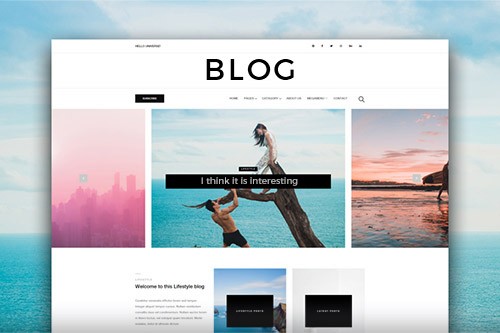
3. Maintain a Blog: Engaging and Educating Your Audience-an Essential SEO Tip for Architects

A well-maintained blog is a powerful tool for attracting and engaging potential clients. Use it to address common pain points, answer frequently asked questions, and showcase your expertise. Conduct keyword research to inform your content strategy and ensure your blog posts align with your firm’s services and areas of specialization.

Pro Tip: Regularly update and optimize old blog posts to improve search visibility and relevance.

4. Use High-Quality Visuals: Captivating Your Audience with Compelling Imagery

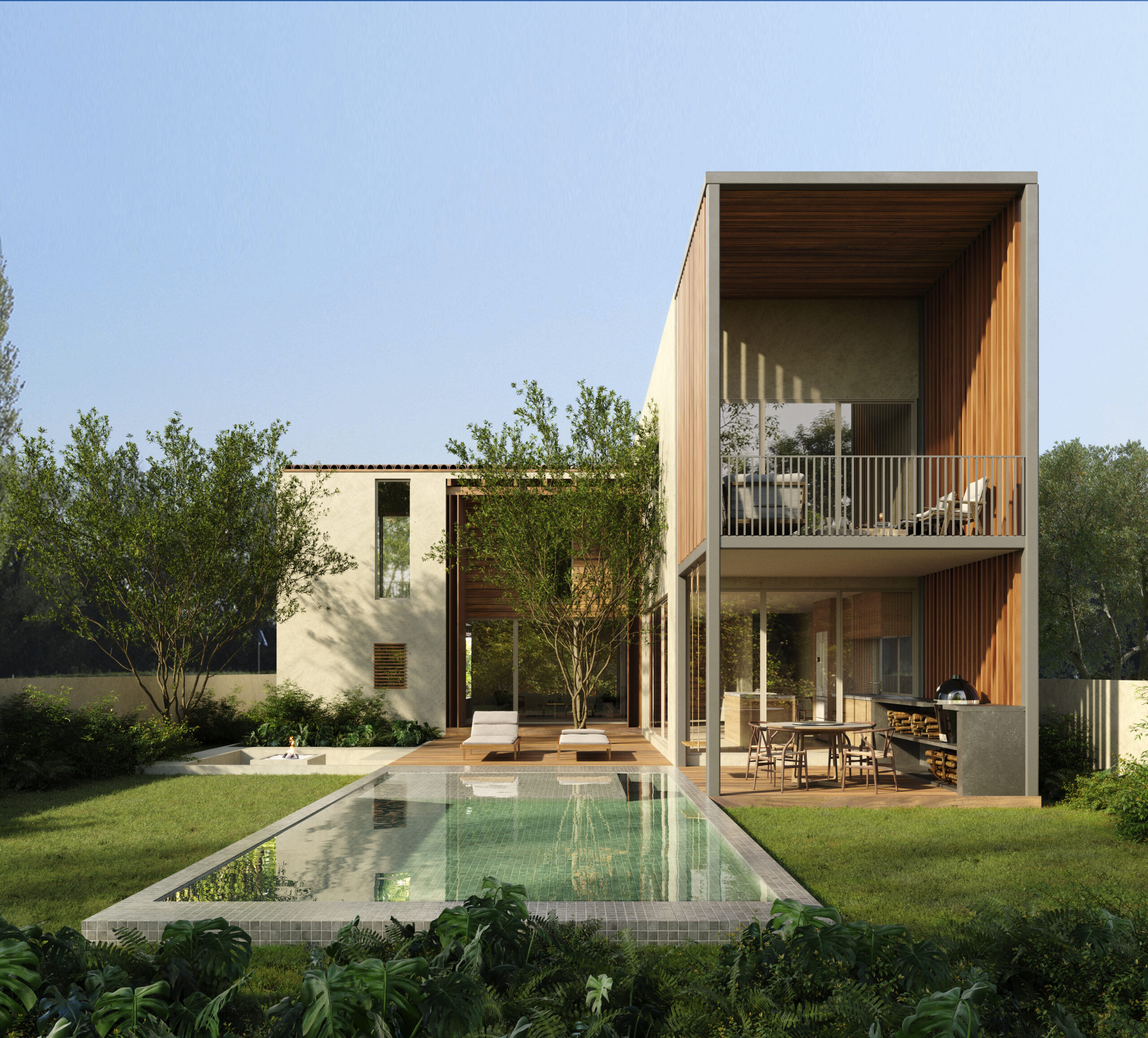
Visuals play a crucial role in capturing users’ attention and conveying your firm’s design prowess. Invest in high-quality photography, videos, and 3D visualization to showcase your portfolio in the best possible light. Don’t forget to optimize images with relevant keywords and descriptive alt text to improve SEO visibility in image search results.

5. Increase Your Website Speed: Enhancing User Experience and Search Rankings

A fast-loading website is essential for both user satisfaction and search engine rankings. Optimize images and multimedia files to reduce file sizes and minimize page load times. Implement caching mechanisms and avoid excessive redirects to streamline the browsing experience for your visitors.

6. Ensure Your Website Is Adaptable: Embracing Mobile Responsiveness

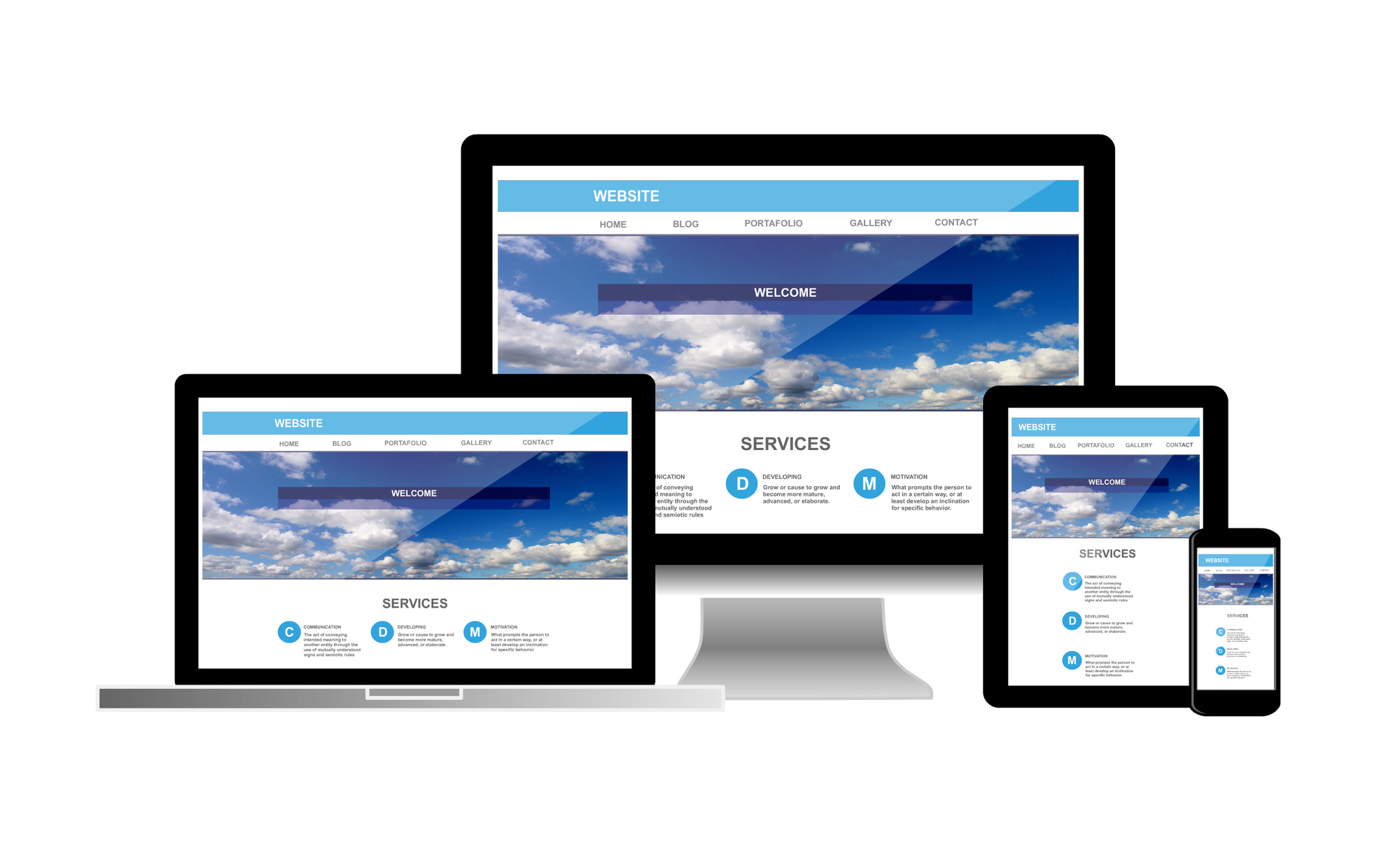
With an increasing number of users accessing the internet via mobile devices, it’s imperative to ensure your website is mobile-friendly. Responsive design ensures a seamless browsing experience across all devices, improving engagement and SEO rankings.


7. Use External Links: Building Authority and Credibility

External links from reputable sources can significantly impact your firm’s search engine rankings. Seek opportunities to collaborate with industry publications and authoritative websites to earn backlinks to your site and also gain SEO tips for architects. Prioritize quality over quantity and focus on securing links from relevant, trustworthy sources.

8. Engage Experts: Leveraging Influencers and Thought Leaders

Collaborating with industry experts and influencers can enhance your firm’s credibility and visibility online. Feature guest contributors on your blog and seek opportunities to contribute content to external publications. By associating your brand with reputable professionals, you can attract new audiences and strengthen your online presence.

9. Track SEO Metrics: Monitoring Performance and Optimization Opportunities

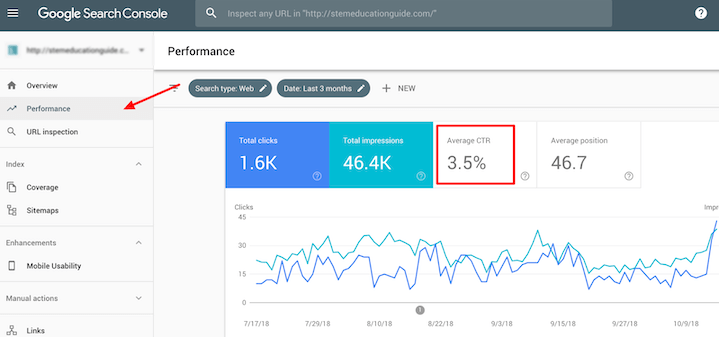
Utilize tools like Google Search Console and Google Analytics to track key SEO metrics and monitor your website’s performance. Keep a close eye on keyword rankings, organic traffic, and user engagement metrics to identify areas for improvement and optimization.

10. Don’t Neglect PR: Amplifying Your Brand’s Reach and Recognition

Public relations efforts can complement your SEO strategy by increasing brand awareness and generating valuable backlinks. Publish expert articles on industry platforms, participate in speaking engagements and events, and cultivate relationships with media outlets to enhance your firm’s visibility and reputation.

Pro Tip: Monitor branded search queries to gauge user interest and adjust your PR efforts accordingly.

Incorporating these SEO tips into your architectural firm’s digital marketing strategy can yield significant results in terms of visibility, traffic, and client acquisition. Remember, SEO is an ongoing process that requires continuous optimization and adaptation to changes in search algorithms and user behavior. By staying informed, proactive, and creative, you can position your firm for success in the digital age.

Ready to elevate your architectural firm’s online presence? Contact us today to learn more about our architecture rendering services and discover how we can help you create stunning visuals that resonate with your audience and drive results. Let’s help you to transform your website into a powerful marketing tool that sets you apart from the competition!

Real Estate Outdoor Advertising: Enhancing Your Property Promotion

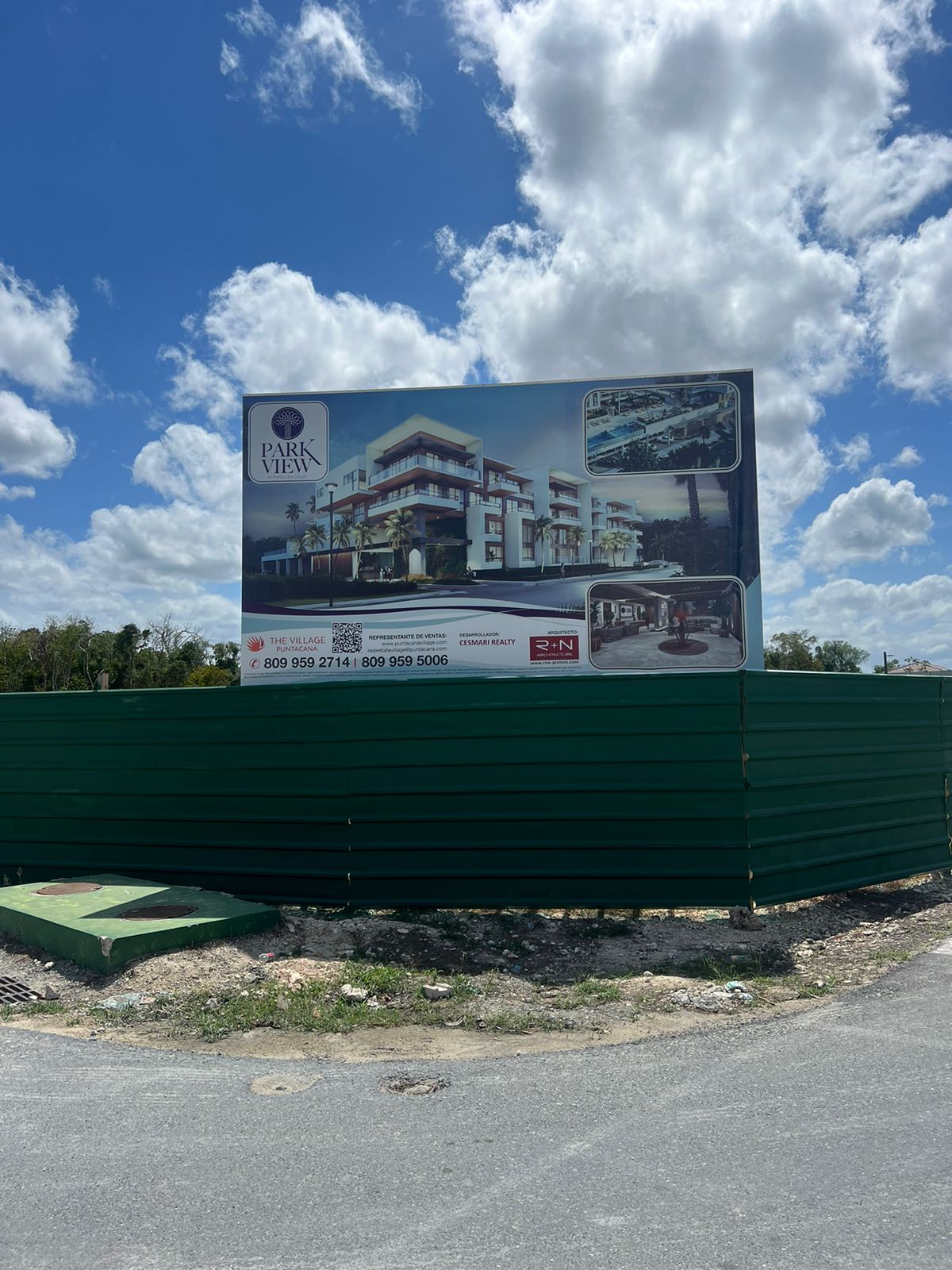
In the ever-evolving landscape of real estate marketing, outdoor advertising continues to play a pivotal role in captivating potential buyers and driving property sales. While digital technologies have revolutionized the industry, the physical presence of billboards and signs remains a potent tool for reaching audiences where they live, work, and play. As experts in architectural rendering, we understand the nuances of outdoor advertising and how it can be optimized to maximize impact and attract new clients. Here are five essential tips to elevate your real estate outdoor advertising campaigns and stand out in a competitive market.

1. Strategic Placement for Maximum Impact

The success of outdoor advertising hinges on one critical factor: location. Identifying high-traffic areas frequented by your target audience is essential for ensuring maximum visibility and engagement. Rather than blanket advertising across generic locations, focus on strategic placement near venues and neighborhoods relevant to your property offerings.

2. Concise Messaging for Instant Connection

In a world inundated with information, brevity is key to capturing attention and conveying your message effectively. Keep outdoor advertising copy short, sweet, and to the point, allowing visuals to take center stage. Craft compelling phrases that tap into the aspirations and desires of your target audience, compelling them to learn more.

3. Harness the Power of 3D Visualization

For properties still in development, leveraging 3D rendering is a game-changer in outdoor advertising. Renderings offer a lifelike portrayal of future projects, allowing potential buyers to visualize themselves in the space long before construction is complete. From luxurious estates to modern apartment complexes, 3D visuals captivate audiences and showcase the full potential of your properties.

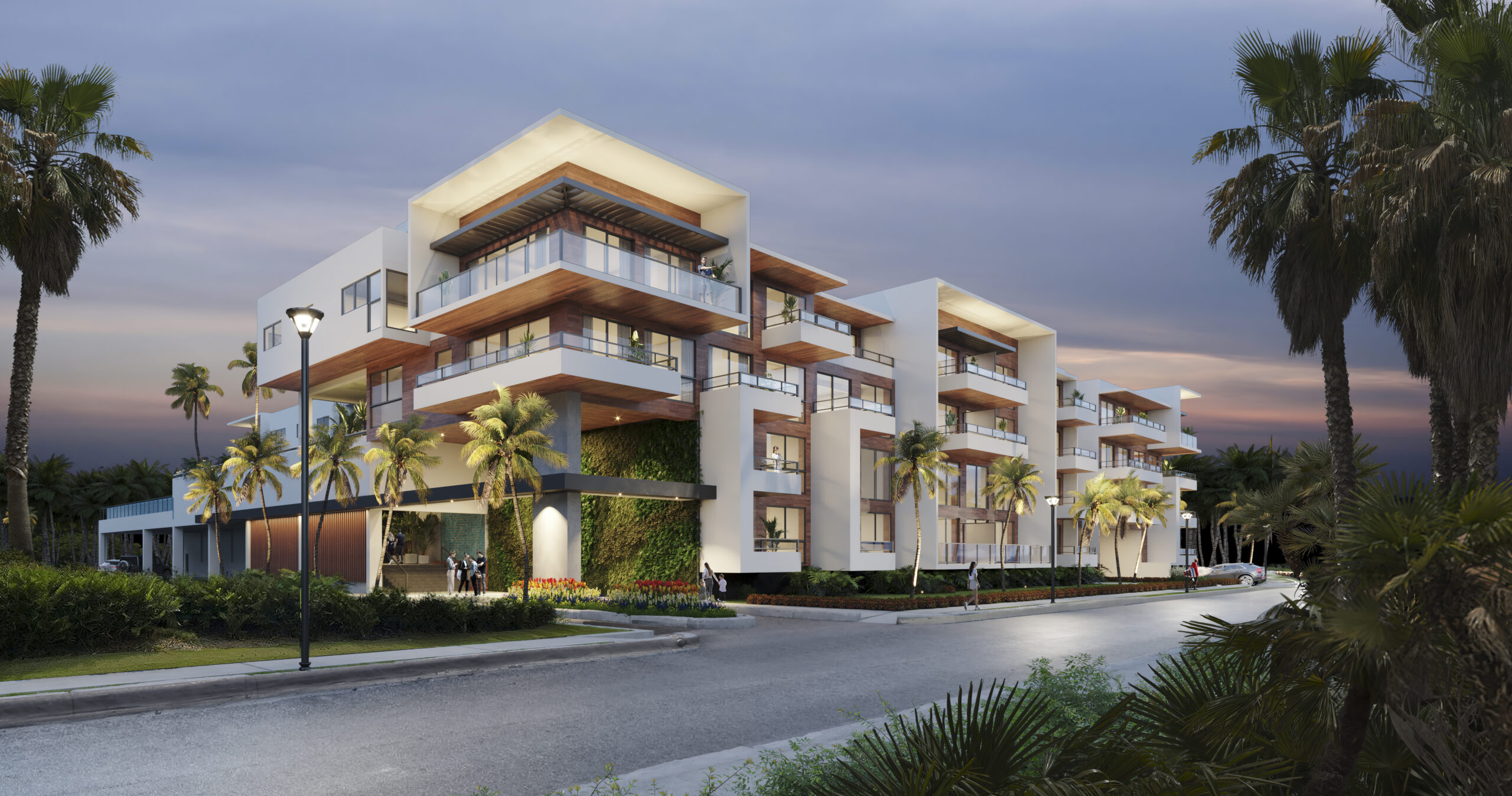
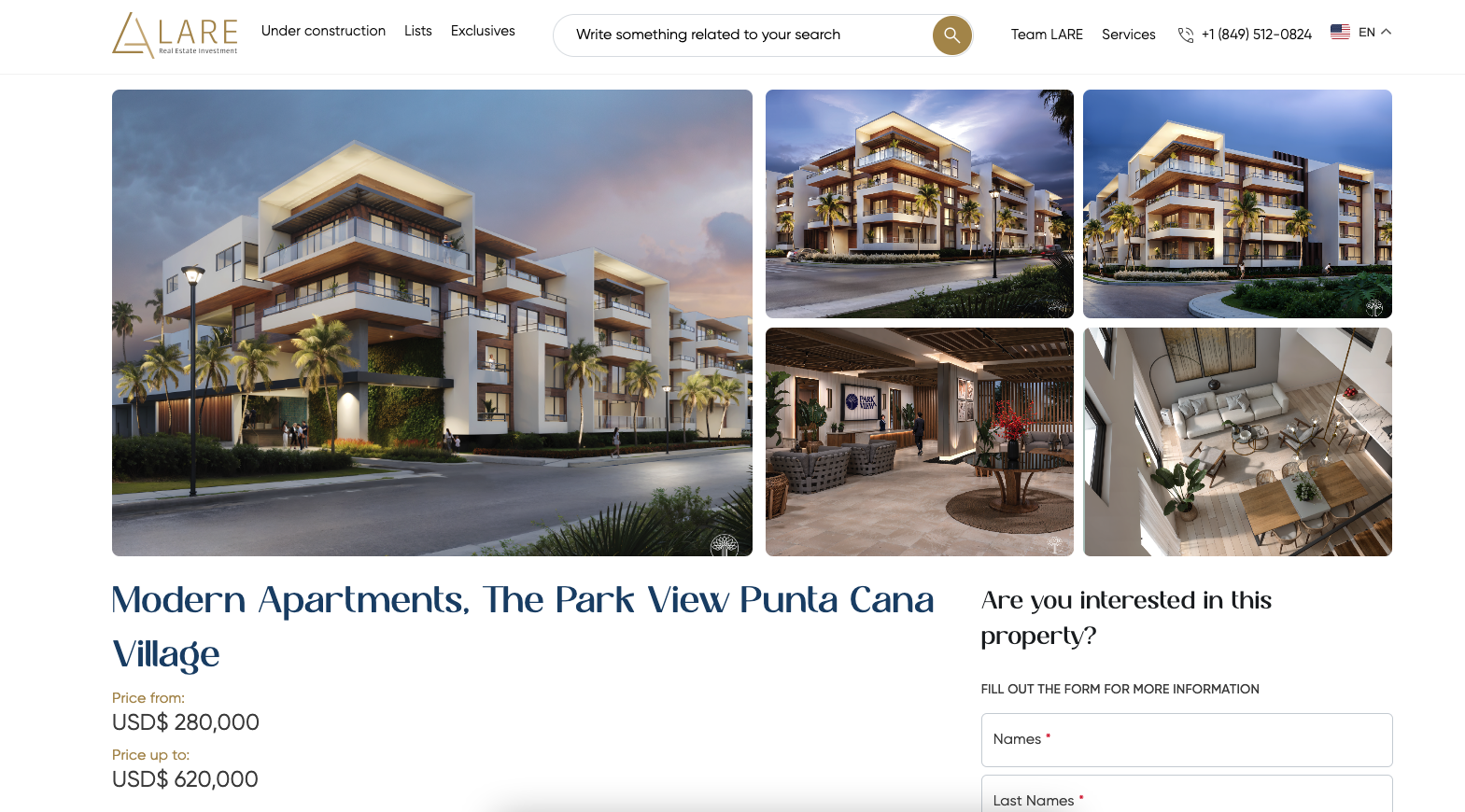
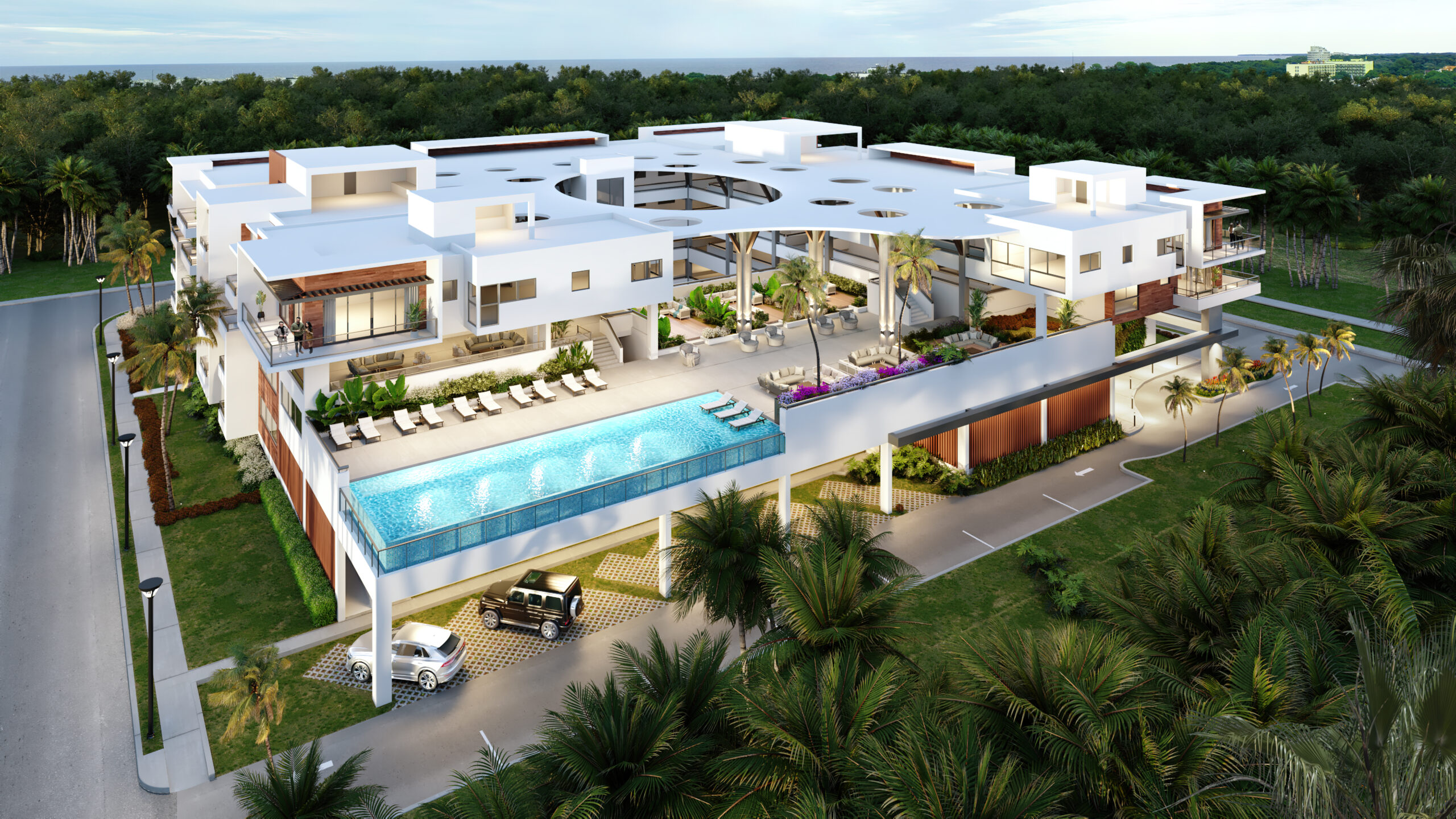
When The Park View, a 63-apartment residential development in Punta Cana Village, was ready to hit the market, the team needed visuals that could capture its unique appeal and help potential buyers envision their future homes. That’s where our 3D renderings came in.

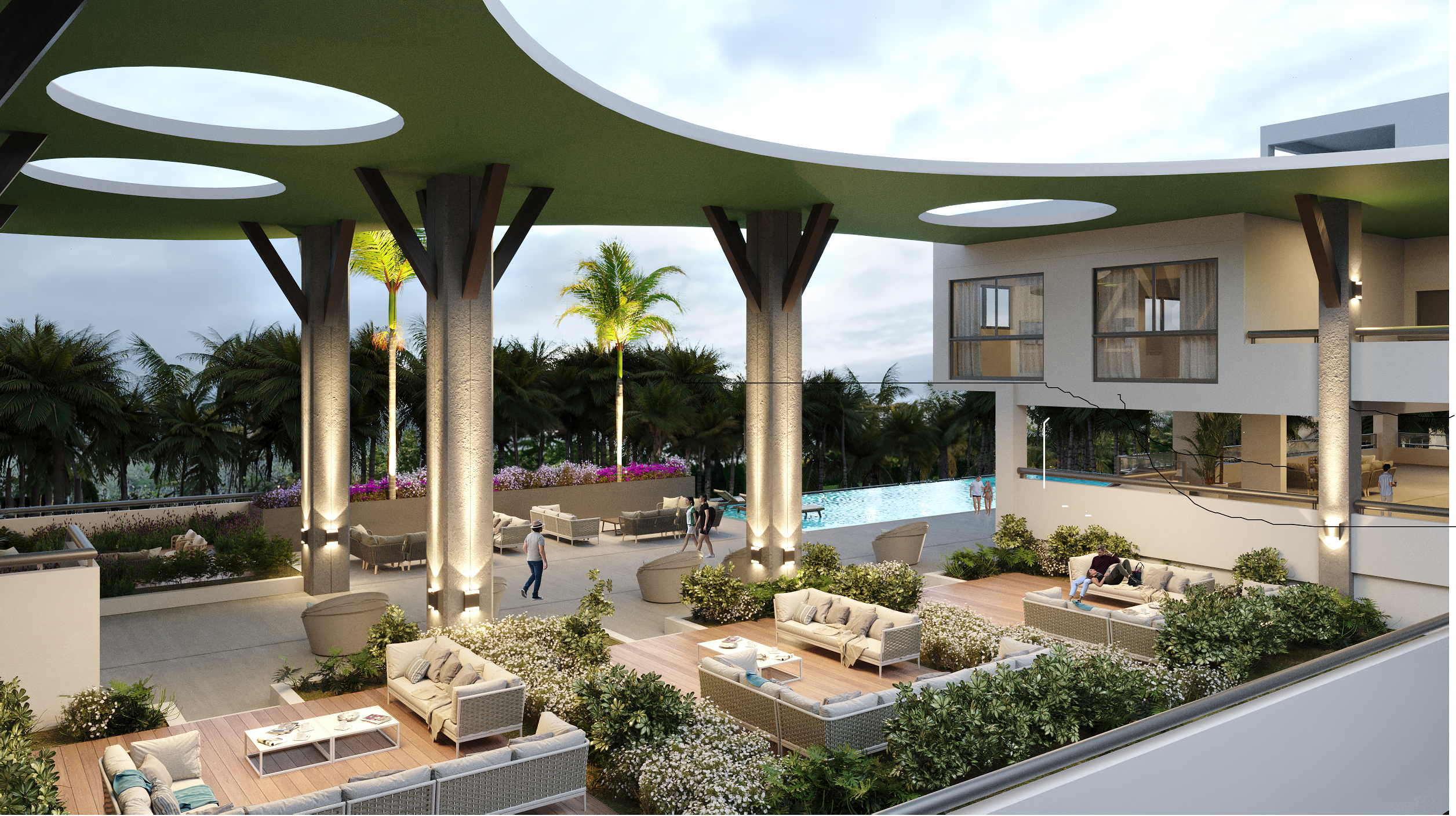
We created photorealistic visuals that highlighted everything The Park View had to offer—stunning views of the central park, lush open spaces, and resort-like amenities such as the pool terrace, rooftop lounge, and panoramic elevators.

These renderings became the centerpiece of the project’s marketing efforts, featured across websites, flyers, and advertising campaigns. By showcasing the development’s lifestyle in vivid detail, the images didn’t just inform—they evoked a feeling. Prospective buyers could imagine themselves living there, enjoying the tropical breeze, or relaxing by the pool, all before construction even began.

The result? A marketing campaign that stood out in a competitive market, helping generate buzz and driving inquiries that turned into sales. Our renderings transformed The Park View from an idea into an irresistible reality for future residents.

4. Focus on Lifestyle Enhancement

Beyond architectural features, successful outdoor advertising emphasizes how a property can enhance the lives of potential buyers. Tailor messaging to address the specific needs and desires of your target demographic, highlighting the lifestyle benefits and unique selling points of each property. Whether it’s urban convenience, suburban serenity, or coastal luxury, speak directly to the aspirations of your audience.

5. Cultivate Brand Recognition and Consistency

Building a strong brand identity is essential for long-term success in outdoor advertising. Develop a cohesive visual style, incorporating logos, fonts, and color schemes that are instantly recognizable and synonymous with your brand. Consistency across all advertising channels fosters trust and familiarity, ensuring your brand remains top of mind for potential buyers.

In conclusion, real estate outdoor advertising offers a powerful avenue for connecting with potential buyers and showcasing your property portfolio. By strategically placing ads, crafting concise messaging, leveraging 3D visualization, focusing on lifestyle enhancement, and cultivating brand recognition, you can create impactful campaigns that resonate with your audience and drive tangible results.

Ready to elevate your outdoor advertising strategy and attract more clients? Contact ATRIUM today to explore our architectural rendering services and bring your property promotions to life! Let us help you create compelling visuals that capture attention, spark imagination, and inspire action. Together, we’ll take your real estate marketing to new heights!

How 3D Renderings Secure Investor Confidence in Real Estate Development

Discover how 3D renderings secure investor confidence in real estate development. Stunning visuals bridge ideas to reality, inspiring trust and excitement.

In real estate development, gaining investor confidence is vital. Whether it’s a new luxury high-rise or a commercial complex, investors want assurance that their money is going into a well-thought-out project. Enter 3D renderings: the secret weapon that helps developers not only communicate their vision but also build confidence and secure buy-in from stakeholders.


Why 3D Renderings Are Key to Building Investor Confidence in Real Estate Development


Investors are often faced with making decisions based on blueprints, data, and abstract concepts. This can lead to hesitation and uncertainty. By using 3D renderings, developers bridge the gap between the abstract and the tangible, giving investors a clear picture of what they’re putting their money into.

Key Benefits:

  • Clarity: Complex designs are simplified into visuals anyone can understand.

  • Emotional Connection: Stunning visuals create excitement and anticipation.

  • Informed Decisions: Investors can see the full scope of the project, reducing doubt.


Ready to showcase your project in the best light?

Contact Us

How 3D Renderings In Real Estate Development Create Impact

1. Visualizing the Final Product with 3D Renderings

Blueprints and technical drawings can be overwhelming for non-experts. 3D renderings transform these into lifelike images, allowing investors to see:
  • Exterior Designs: How the building will integrate with its surroundings.

  • Interior Spaces: Layouts, finishes, and lighting effects.

  • Amenities: Pools, lounges, gyms, and other features.


Pro Tip: Use 360° renderings or virtual walkthroughs to immerse investors in the space.


2. Highlighting Unique Selling Points (USPs) with 3D Renderings

Every real estate development project has unique features—whether it’s eco-friendly architecture, luxury amenities, or prime location. 3D renderings emphasize these selling points by showcasing:
  • Sleek, modern designs.

  • Green spaces and sustainable elements.

  • Location advantages like proximity to transport hubs or scenic views.


3. Building Emotional Engagement with 3D Renderings in Real Estate Development
High-quality visuals do more than inform; they inspire. Investors who can visualize themselves in the space—whether it’s a bustling commercial plaza or a serene residential community—are more likely to feel connected to the project.
Quick Tip: Pair 3D renderings with storytelling. Describe how the project will enhance lives and communities.


Ready to impress your investors?

Contact ATRIUM today


Case Study: How 3D Renderings Increased Investor Confidence and Secured Project Funding

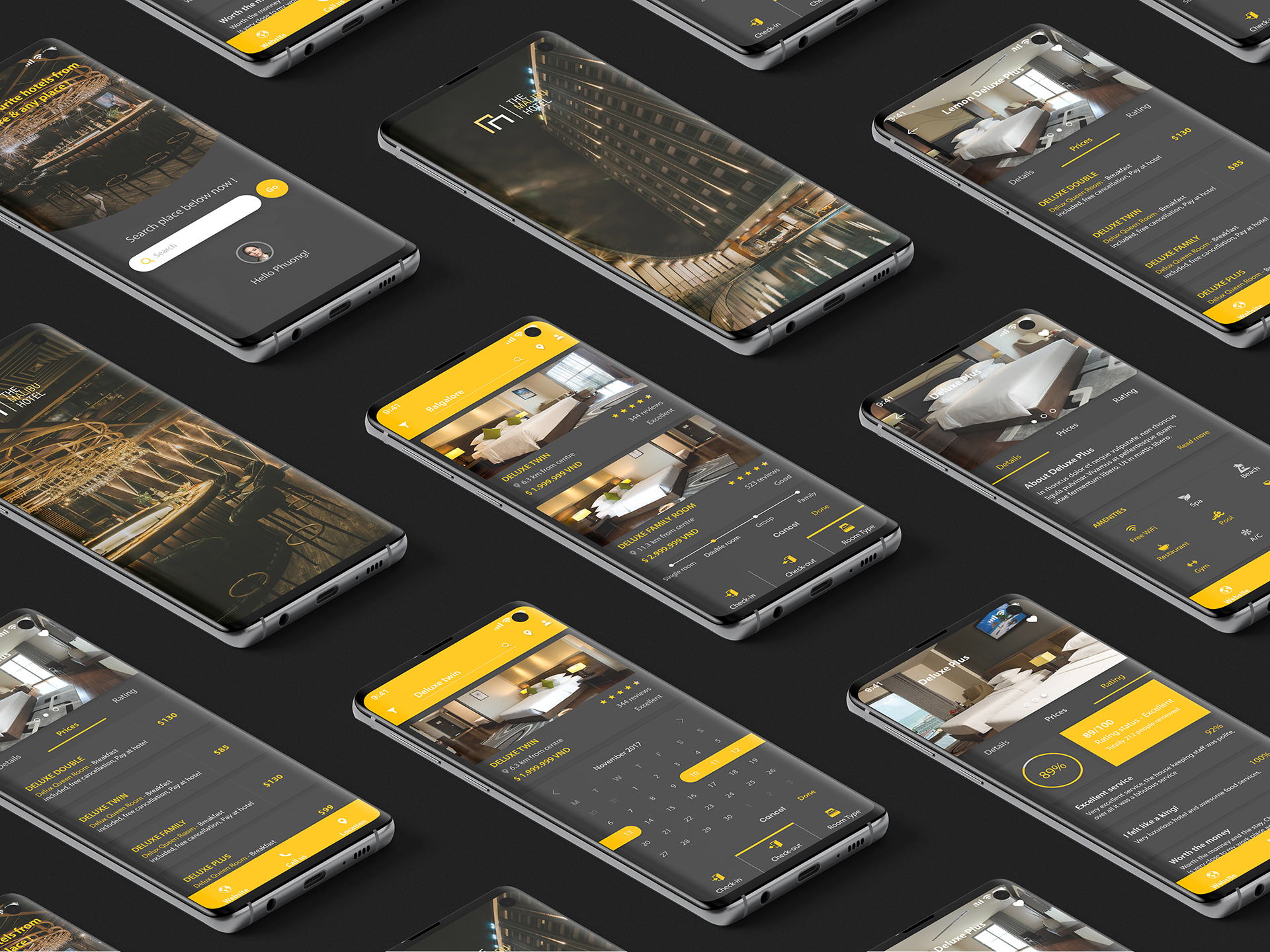
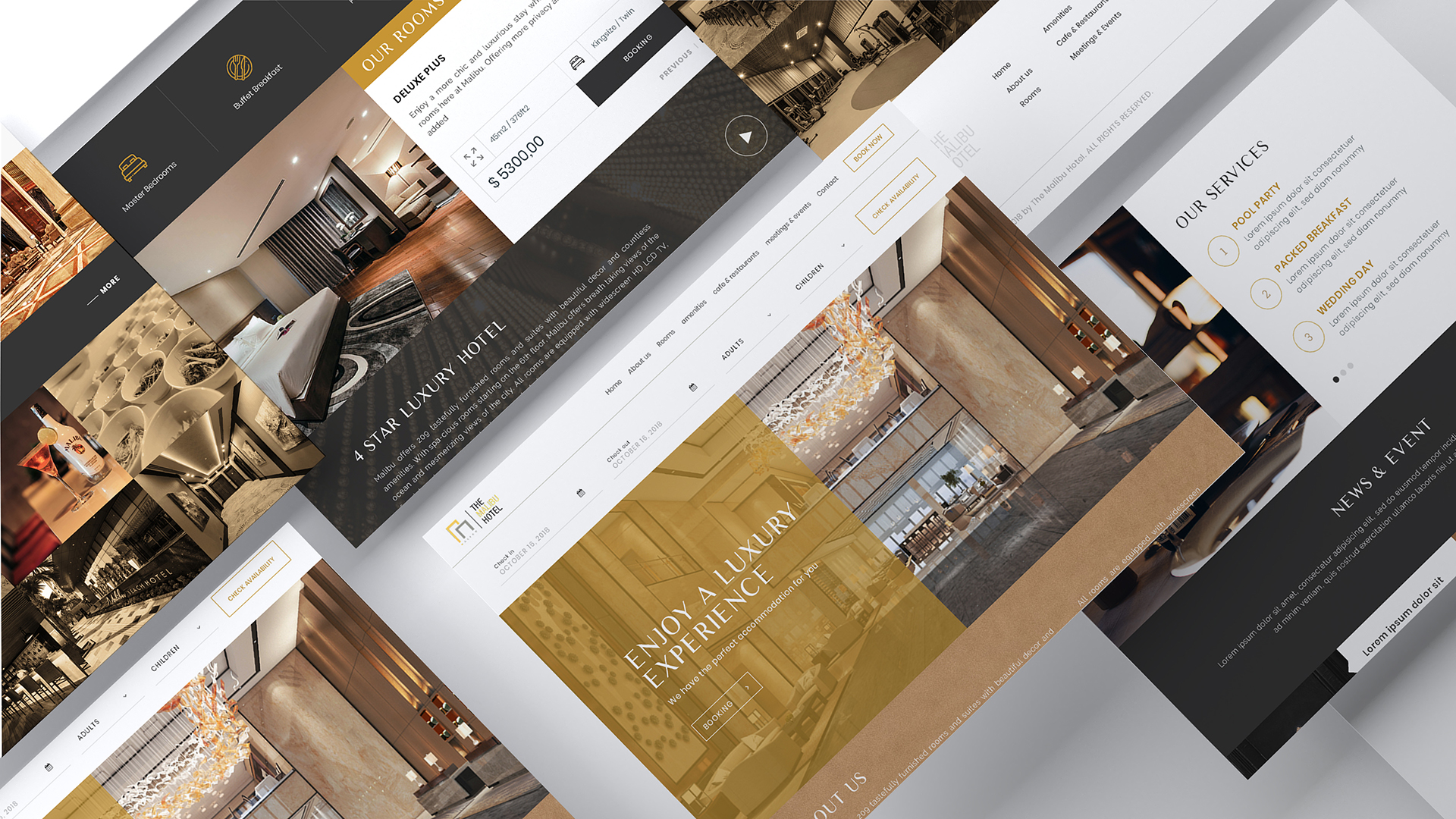
 ATRIUM collaborated with a luxury hotel developer to bring an ambitious real estate development project to life using photorealistic 3D renderings to boost investor confidence. These visuals highlighted the hotel’s stunning architectural design, world-class amenities, and overall grandeur, offering investors a clear and immersive preview of the finished project. By transforming abstract concepts into a tangible, compelling vision, ATRIUM helped the development team boost investor confidence and secure funding—well before construction began. Through the power of 3D renderings, the hotel team turned concepts into commitments, inspiring trust in investors and securing the funding needed to bring their dream real estate development to life
 

Why Choose ATRIUM for High Quality 3D Renderings in Real Estate Development?

 At ATRIUM, we specialize in turning architectural visions into stunning visuals that inspire investor confidence and drive decisions. Here’s what sets us apart:
  • High-Quality Renderings: Realistic, detail-oriented visuals tailored to your project’s needs.

  • Timely Delivery: Efficient workflows to meet tight deadlines.

  • Collaborative Approach: We work closely with you to ensure every detail reflects your vision.


Show investors the future—let’s create stunning 3D visuals for your project!

Get Started


Final Thoughts

3D renderings are more than just visuals; they’re a tool for building trust and excitement. By helping investors see the full potential of a project, they make it easier to secure funding and move forward with confidence. If you’re ready to elevate your real estate development presentations, ATRIUM is here to help..

 
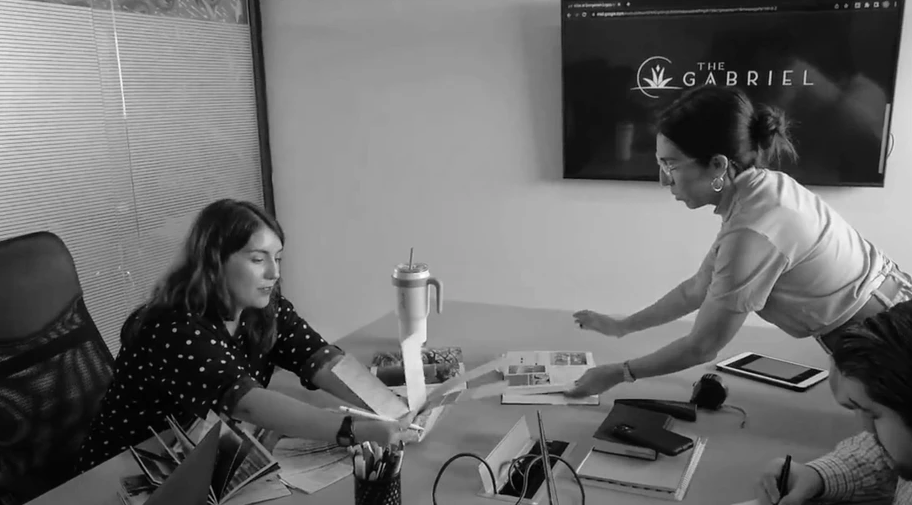
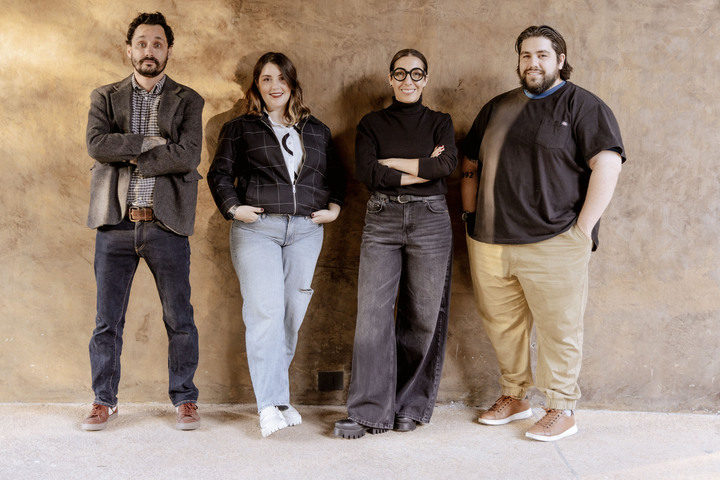
The ATRIUM team collaborating on 3D renderings to enhance investor confidence and support successful real estate development projects.
 

Got a project in mind? Let’s bring it to life with visuals that wow your investors and set your development apart. Reach out to ATRIUM today!

6 Steps to Build a Personal Brand for Architects

Discover 6 actionable steps to build a strong personal brand as an architect. Learn how to stand out, connect with clients, and grow your business with confidence.

As an architect, your personal brand is more than just a logo or website; it’s the story you tell and the reputation you build. It helps clients see your unique value, expertise, and creativity. Here’s how you can craft a personal brand that sets you apart and attracts the right clients.


Step 1: Define Your Unique Value

Before you start designing a logo or updating your portfolio, ask yourself:

  • What makes my approach to architecture unique?

  • What values guide my work?

  • What types of projects do I love working on?

By answering these questions, you’ll uncover the core of your personal brand. For example, if sustainable design is your passion, make it a central theme. Your brand should reflect who you are and what you stand for.


Step 2: Showcase Your Expertise Online For Personal Branding as an Architect

A strong online presence is essential for today’s architects. Start by creating or updating your website with:

  • A Professional Portfolio to Boost Your Architectural Personal Branding: Highlight your best projects with high-quality visuals and descriptions.

  • Case Studies: Share the story behind your designs, including challenges and solutions.

  • A Blog or Resource Section: Write about topics your ideal clients care about, such as sustainable materials or home design tips.

Additionally, optimize your site for search engines (SEO) by using keywords like “modern residential design.”

Want help creating a stunning brand for your architecture firm?

Step 3: Build a Strong Visual Identity for Personal Branding

Your brand’s visual elements should communicate your style and professionalism. Focus on:

  • A Memorable Logo: Choose a design that reflects your architectural style.

  • Consistent Colors and Fonts for your personal branding: Use modern, neutral tones and professional typography.

  • Templates for Presentations and Social Media: Keep your branding consistent across all platforms.

Tip: Don’t overcomplicate it—clean and simple designs often resonate best.

Step 4: Leverage Social Media

Social media is a powerful tool for showcasing your work and connecting with potential clients. Focus on platforms like Instagram and LinkedIn:
  • Instagram: Share high-quality images and behind-the-scenes stories of your projects.

  • LinkedIn: Network with industry professionals and share thought leadership posts.

  • Hashtags: Use relevant hashtags like #ArchitectLife, #SustainableDesign, or #ModernArchitecture to reach your audience.

Don’t have time to handle social media content yourself? Let us take care of it! Let’s Talk

Step 5: Network and Collaborate

Building relationships is crucial for growing your personal brand. Attend industry events, join architectural organizations, or collaborate with other professionals like interior designers or developers. Don’t forget to:
  • Bring branded business cards.

  • Share your website or social media profiles.

  • Follow up with personalized emails after meeting new contacts.

Project Spotlight: L’Agence Branding

We recently partnered with L’ Agence in California to refresh their brand and elevate their presence. The project included:

  • A visual identity overhaul to align with their unique vision.

  • An updated social media strategy for greater online impact.

  • Comprehensive branding assets to showcase their work consistently.

Beyond the visuals, we created tools their company could use to elevate the client experience, including:

  • Client journey guides to streamline project communication.

  • Handover package designs for professional project deliveries.

  • Inspection checklists and manuals for clarity during handovers.

  • Branded templates and visual aids to present projects seamlessly.

  • A welcome guide to set expectations and impress new clients.

     
See the full transformation in this quick video, and discover how clear, thoughtful branding can help your firm shine.

Step 6: Stay Consistent

Consistency is the key to a successful personal brand. Make sure all your branding elements, from your website to social media, align with your style and messaging. Review your materials regularly and update them as your brand evolves.
Quick Tip: Set a monthly reminder to check your online profiles, portfolio, and social media content for consistency.

Free Social Media Templates – Yours to Customize

We’ve created these fully editable templates to make your social media posting easier and more effective! Perfect for showcasing your projects, sharing client testimonials, or posting valuable insights for your audience.

Here’s what makes them special:

  • Easy-to-use in Canva—no design skills required!

  • Fully customizable fonts, colors, and images to match your brand.

  • Templates designed for Instagram and LinkedIn.

Download our free templates and streamline your social media today!Download Now

Final Thoughts

Building a personal brand as an architect takes time and effort, but it’s worth it. By defining your unique value, showcasing your expertise, and staying consistent, you’ll create a brand that reflects your passion and attracts the right clients.
Whether you need help managing your social media, creating a cohesive visual identity, or developing branded materials that leave an impression, ATRIUM is here to help. Contact us today to elevate your brand!

Effective Marketing Strategies for Architects in a Digital Age

In world, architecture firms can’t rely on word-of-mtoday’south and traditional marketing alone. To stand out and make connections, especially online, architects need digital strategies that are as thoughtful as their designs. Let’s dive into a few easy-to-implement approaches that can help you attract new clients, showcase your work, and create a strong online presence.

1. Create a Stunning Online Portfolio

Let’s start with the foundation: your portfolio. A well-designed website is essential. Think of it as your digital calling card, a place where potential clients can see your style and understand your strengths. It should showcase your best projects with high-quality images, 3D renderings, and maybe even walkthrough videos. Make sure each project tells a story, whether it’s a modern residential home or a sprawling commercial space.

Pro Tip: Make it easy to navigate! Clients should be able to find your contact info, portfolio, and a bit about your process without too much digging.

2. Leverage 3D Rendering and Virtual Tours

The shift toward digital presentations in architecture has never been stronger. With tools like 3D rendering and virtual tours, you can give clients a true sense of space and design, right from their screens. Imagine a client exploring your design from different angles, zooming in on details, and experiencing the layout as if they’re standing in the room. That’s the magic of 3D and virtual tools.

Pro Tip: Virtual tours can be particularly powerful for real estate developers and commercial clients who may not be able to visit the space in person. They can save you time explaining details by allowing clients to see them directly.

3. Embrace Social Media for Connection and Inspiration

Social media isn’t just for lifestyle brands—it’s a growing platform for architects to connect with audiences and showcase their work. Platforms like Instagram, Pinterest, and LinkedIn are great for sharing images, sketches, and behind-the-scenes moments of your projects. Potential clients love to see the process, not just the finished product.

Pro Tip: On Instagram, consider creating short videos of “before and after” renderings. Pinterest is also a favorite for design-minded clients who are often on the hunt for inspiration and may stumble upon your work.

4. Write Engaging Blog Posts on Architecture Topics

If you have a unique perspective on design trends, sustainability, or what goes into creating a particular type of building, why not share it in a blog? Writing blog posts on your website can boost your search engine visibility and help you connect with clients who are looking for information in the early stages of a project. Plus, blogs position you as an authority in your field.

Pro Tip: Write about topics that resonate with your target audience, like “5 Sustainable Design Tips for Your Next Project” or “How 3D Rendering Brings Ideas to Life.” And don’t worry about sounding overly formal—just keep it real and relatable!

5. Optimize Your Website for Local SEO

While your designs may be appreciated globally, most of your clients are likely in your city or state. Make sure your website is optimized for local search terms like “San Diego architect” or “Los Angeles commercial design firm.” This will make it easier for people in your area to find you. Local SEO involves things like adding your business to Google My Business, including location-based keywords on your website, and asking satisfied clients for reviews.

Pro Tip: Clients are often impressed by well-curated, project-specific details that mention local influences or favorite neighborhood features—mentioning these can help your site rank higher.

6. Showcase Client Testimonials and Case Studies

People like to know what it’s like to work with you. Client testimonials and case studies give them an inside look. Consider adding testimonials to your homepage or a dedicated testimonials section. Case studies can be especially impactful, walking clients through the specifics of a project from start to finish, including any challenges you overcame.

Pro Tip: Don’t just talk about the finished building—share the journey, too. For instance, if you created a home that reduced energy costs or reimagined a small space, share those details. Real-life benefits resonate with clients.

7. Collaborate with Industry Influencers and Blogs

You don’t have to go it alone. Connect with bloggers, influencers, or other design firms to expand your reach. Maybe an interior design blogger would love to showcase your project, or a sustainable architecture influencer would like to highlight your eco-friendly work. Collaborating with industry leaders helps you reach a wider audience, and clients often value the credibility boost from a trusted source.

Pro Tip: Find influencers and bloggers who resonate with your niche. If sustainable architecture is your thing, reach out to those who cover environmental topics. If you specialize in modern homes, find influencers who focus on home design.

8. Use Email Marketing to Stay Top of Mind

Email marketing may sound old-school, but it’s incredibly effective for architects. A monthly newsletter can keep you connected with past clients, collaborators, and people who are following your work. Share updates on recent projects, upcoming events, or insights into design trends. It doesn’t have to be fancy—just a few visuals and a bit of text that adds value.

Pro Tip: Consider segmenting your email list. This way, you can send more targeted content to past clients, new prospects, or even contractors you’ve worked with.

9. Monitor Your Online Reputation

Finally, in the digital world, reputation matters. Keep an eye on your online reviews and respond promptly. Happy clients? Encourage them to leave a review on Google, Yelp, or Houzz. Even if there’s a challenging review, a thoughtful response shows potential clients you care.

Wrapping It Up

Marketing in the digital age may seem daunting, but it’s really about telling your story and connecting with people who value your work. By focusing on your online presence, leveraging social media, and optimizing for local search, you’re setting yourself up for success. With a little time and creativity, your architecture firm can make a big impression online, attracting the right clients and showing the world what you can do.

Have questions about where to start? Don’t hesitate to reach out!

The Top Questions Architects Have About 3D Rendering Services

Hey there! If you’re an architect or a small firm curious about 3D rendering services, you’re in the right place. Today, we’re diving into some of the most frequently asked questions we get from architects just like you. Whether you’re new to outsourcing renders or simply want a better idea of what to expect, let’s get those answers!

Introduction

3D rendering has become an invaluable tool for architects, helping bring concepts to life in ways that resonate with clients and teams alike. It not only adds a touch of photorealism to your projects but also makes communication smoother and more engaging. Yet, we know you’ve got questions! So, we’ve compiled the top questions architects ask to make your decision to outsource rendering easy, efficient, and informed. Let’s get started.

1. How long does it typically take to complete a 3D render?

One of the first questions on everyone’s mind! The timeline depends on the project’s scope, detail, and, of course, deadlines. A single-room render may only take a few days, while a full architectural development might take a couple of weeks. Clear communication on needs and revisions helps set a reliable timeline.

2. Can we match renders to our firm’s style?

Absolutely! We love working with architects to match renders to their unique aesthetic, whether minimalist, contemporary, or more traditional. When starting, share references, style guides, or mood boards to capture the essence of your brand. Customization is key here—think of it as translating your architectural identity into a visual experience that feels like you.
3. What’s the difference between a 3D render and a 360 view?

Great question! A 3D render is a static, photorealistic image showing a particular viewpoint. A 360 view, on the other hand, is interactive, allowing viewers to ‘move’ around a space. Think of 3D renders as framed snapshots and 360 views as immersive experiences where clients can explore the space themselves.

4. How many revision rounds are typically included?

Most projects come with 1-3 rounds of revisions. This lets us fine-tune details while staying efficient. We recommend providing clear feedback after each draft, so every revision brings the render closer to your vision. And don’t worry—our goal is to make sure you’re thrilled with the final outcome.

5. Are textures and materials accurate to the final project?

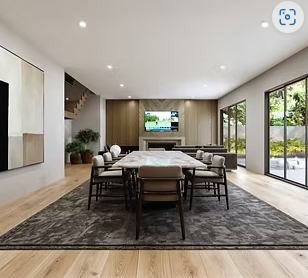
Yes! In fact, one of the biggest benefits of 3D rendering is the accuracy it offers. We use textures and materials that closely mimic what will be in the actual build, from marble countertops to wood grain and beyond. This level of realism helps your clients envision the final space with confidence.
Get your project estimated in just 1 hour – fill out this brief! Project Brief

Get your project estimated in just 1 hour – fill out this brief! Project Brief

 Conclusion

I hope these answers have shed some light on what to expect when working with a 3D rendering service. Each project is unique, and so are the questions that come with it! If there’s anything else you’re curious about, please reach out—we’re here to make the process as smooth as possible.

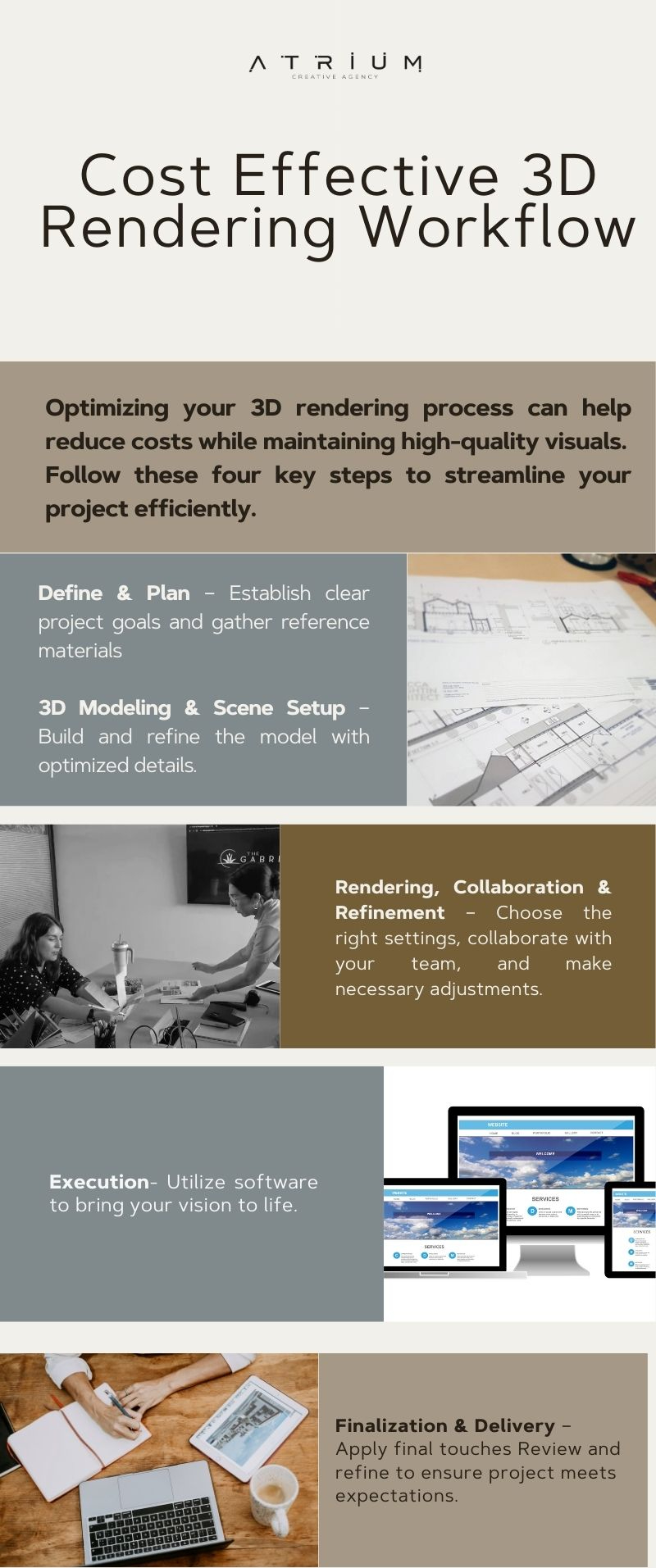
The Standard Workflow Process of an Exterior 3D Rendering Project at ATRIUM

Every year, more architects, real estate developers, and agents are embracing the power of 3D rendering. At ATRIUM, we’re proud to support these professionals by delivering high-quality exterior renderings that help bring their visions to life. To make each project seamless, we’ve developed an easy-to-follow workflow that we use for every exterior 3D rendering project.

Let’s walk through the key steps that make up our process, so you know exactly what to expect from start to finish.

1. Submitting Your Project Brief

It all begins when we receive your project brief. This is the foundation of a successful 3D rendering project. What should the brief include? Here’s what we recommend:

  • Architectural drawings (plans, sections, elevations)

  • Lighting and mood references

  • Details about the surroundings

Optional but helpful items include sketches, Revit 3D models, and texture samples. The clearer your brief, the smoother the entire process will be.


2. Approving Grayscale Renders

Once we have your brief, our team gets to work creating grayscale, or “clay,” renders. Think of these as the skeleton of your project—they show the core structure and surrounding elements but don’t yet have colors or textures.

At this stage, you’ll review the overall geometry and camera angles. This is your chance to confirm that everything matches your vision or request changes if needed. We typically offer 1-2 rounds of revisions to fine-tune these grayscale drafts before moving on.

3. Approving Color Proof 1 — Adding Materials and Textures

Now, the fun part begins! We add colors, textures, and environmental details to bring your design to life. You’ll see your project in vibrant 2K quality, complete with realistic elements like materials, lighting, greenery, and even people if desired.

During this phase, we encourage your feedback on how the materials and surroundings look. Up to three rounds of minor adjustments can be made to ensure your project feels just right.

4. Receiving Your Final 3d Rendering

Finally, your project reaches the finish line. We fine-tune the render with post-production techniques using Photoshop to adjust lighting, contrast, and color balance. This final touch ensures your images look polished and hyper-realistic. Typically, our renders are delivered in 4K resolution, perfect for print sizes up to A1. Need a different resolution? Just let us know!

At this stage, we’re always excited to hear your thoughts. Your feedback helps us refine our process and deliver even better results for future projects.


Get your project estimated in just 1 hour – fill out this brief! Project Brief


With this efficient workflow, ATRIUM makes the 3D rendering process straightforward and effective. You’ll have clear expectations and top-notch results, every time. Ready to see your project come to life?

Reach out to us and let’s get started!

Transform Your Presentations with Standout Commercial 3D Renderings

When it comes to commercial architecture, making your vision clear and captivating is everything. And that’s where 3D rendering steps in. It’s not just about creating visuals; it’s about making sure your clients and partners get the full picture from the first glance.

Setting the Scene for Your Design’s Story

Imagine this: you’re pitching a modern office complex in a bustling city center. Think about the setting—are you emphasizing urban energy or calm professionalism? Picking the right backdrop isn’t just about looking nice; it’s about crafting a vibe that supports your vision and gets people excited to see more.

Show Off What Makes Your Project Unique using 3D renderings

Every design has its wow factor. Maybe it’s a spacious lobby designed for people to connect, or an outdoor area with stunning views—whatever it is, make it shine. With 3D rendering, we can bring out those unique benefits so they’re impossible to miss, creating a stronger connection with everyone viewing your work.

Make the Right Impression with Lighting

Lighting can be the “make-or-break” detail. Whether it’s a cozy evening glow or crisp natural daylight, lighting lets you set the tone for each space. It’s amazing how the right light can change the entire feel of a room, guiding how viewers experience the design.

Bring the Space to Life with People

It’s true: adding people into your 3D renders makes spaces feel real. Seeing a busy lobby or a quiet office with people going about their day helps viewers picture themselves there. It adds personality to the space and makes your project feel more relatable.

The “Big Picture” View: Why Aerial Perspectives Count

For larger spaces like malls or corporate campuses, sometimes a ground-level view doesn’t cut it. An aerial perspective offers a great overview, showing scale and layout all at once. It’s like giving your audience a VIP tour of the whole site.

Up Close and Personal: Highlighting Details That Matter

Alongside those big shots, don’t forget close-ups of the details—textures, materials, finishes. These smaller elements can add so much to the overall impact, proving your commitment to quality and giving clients a taste of the craftsmanship they can expect.


Get your project estimated in just 1 hour – fill out this brief! Project Brief


Now that you have the tools to create captivating commercial 3D renderings, why wait? Reach out to us at Atrium, and let’s bring your vision to life. Our team of experts is here to guide you every step of the way, from concept to completion. Together, we’ll create renderings that inspire, captivate, and ultimately, win over your audience.

In need of 3D rendering services? Contact us at Atrium to elevate your architectural presentations with award-worthy CG images. Let’s turn your vision into reality!

Why Lifelike Renderings Win Clients: The Limitations of SketchUp Alone

In the world of architectural design and presentation, the power of visualization cannot be overstated. It’s not just about showing a concept; it’s about connecting clients emotionally to a space before it physically exists. This is where tools like rendering and SketchUp come into play, revolutionizing how architects present and market their designs.

The Magic of Rendering

Rendering is more than just a step in the design process; it’s a transformative tool that converts basic models into stunning, lifelike visuals. This transformation allows clients to see, feel, and understand the essence of the proposed space in ways that sketches (SketchUp) alone cannot achieve.

Imagine presenting a client with a 3D render of a living room that showcases intricate textures, realistic lighting, and dynamic perspectives. Such a visual is not just a picture; it’s an experience.

Why Lifelike Visuals Matter

The shift from flat sketches to detailed 3D renders has a profound impact on client engagement. A well-executed render captures the imagination and draws clients into the narrative of the space. It makes the intangible tangible, helping clients visualize their future home, office, or commercial space with a clarity that sketches can’t match. This depth of visualization is crucial not only for winning projects but also for building trust and confidence with clients.

Enhancing Your Workflow with Rendering

Incorporating rendering into your workflow isn’t just a value-add; it’s becoming a necessity in a competitive market where clients expect more than ever before.

Take the Next Step

Understanding the benefits of rendering and implementing it effectively are key to leveraging its full potential. Whether you’re looking to refine your existing approach or integrate rendering for the first time, it’s clear that these tools are invaluable for today’s architecture professionals.

For more information on how rendering can enhance your projects, or to get tips on integrating rendering into your scheduled workflow, feel free to send us a message! We’ll provide you with detailed insights and strategies to transform your client presentations and secure more projects.

Enhance Your Architect RFP Responses with 3D Visualization: A Game Changer for Architectural Firms

In the competitive world of architectural design, standing out in a sea of RFP (Request for Proposal) submissions can be daunting. However, incorporating 3D renderings into your proposals can significantly enhance both their attractiveness and effectiveness.

Here’s a deep dive into how architectural firms can leverage this powerful tool to not only capture attention but also clearly communicate their design intent and capabilities.

Visual Impact: Making a Memorable First Impression

When it comes to RFPs, the initial impression your proposal makes can set the tone for everything that follows. High-quality 3D renderings immediately grab the selection committee’s attention, setting your submission apart from the stack. As the founder of Creative Atrium, I’ve observed numerous instances where clients have seen a tangible increase in engagement from committees purely through the enhanced visual presentation of their proposals. In one memorable instance, a client competing for a high-profile commercial development significantly boosted their proposal’s impact by including a series of photorealistic renderings that showcased the project’s potential, helping to secure the contract.

Clarifying Complex Ideas: Simplifying the Complex

Architectural concepts can often be intricate and challenging to visualize. 3D visualization can transform these complex ideas into clear, understandable, and visually appealing images. This not only makes your proposal more accessible to non-technical stakeholders but also ensures that your vision is perfectly communicated. For example, when tasked with designing a multifaceted residential complex, using 3D panoramas allowed our client to clearly articulate the interrelationships between various design elements, enhancing the proposal’s clarity and depth.

Showcasing Design Excellence: Highlight Your Expertise

A picture is worth a thousand words, and a 3D rendering can say even more about your firm’s expertise and architectural innovation. By showcasing your ability to handle diverse project demands — from sleek commercial spaces to serene church environments — you demonstrate your versatility and creativity. 3D renderings allow you to highlight unique features of your design, providing a tangible glimpse into your project’s potential.

Architect RFP: Visualizing Options

RFPs often require the presentation of multiple design options. 3D renderings enable decision-makers to visualize these alternatives clearly, facilitating a more informed decision-making process. This comparative analysis not only demonstrates your firm’s flexibility but also its proactive approach in catering to your client’s needs.

Enhancing Communication: The Keystone of Success

Effective communication is central to winning architect RFPs. 3D renderings serve as excellent focal points for discussions, aligning both the architectural firm and the client around a shared vision. This alignment is critical in ensuring that the final project truly reflects the client’s goals and expectations.

Marketing Edge: Showcasing Technological Prowess

Incorporating the latest 3D rendering technology in your RFP responses not only underscores your firm’s commitment to innovation but also enhances your marketability. Demonstrating your capability to employ cutting-edge tools positions your firm as a leader in architectural visualization, ready to tackle future challenges with modern solutions.

Efficiency and Speed: Meeting Tight Deadlines

The ability to produce accurate and appealing 3D renderings swiftly is invaluable, especially when adhering to the tight timelines often associated with RFPs. Our team at Creative Atrium excels in turning around high-quality renderings quickly, enabling firms to respond to last-minute adjustments and feedback efficiently.

Why Choose Creative Atrium to be your partner?

At Creative Atrium, we understand the crucial role that 3D renderings play in not only winning RFPs but also in effectively communicating your architectural vision. Our team of experts is dedicated to providing top-tier 3D rendering services that enhance your proposals and help convey your design concepts clearly and compellingly.

Are you ready to transform your next RFP response? Let Creative Atrium help you make your proposals not just seen, but felt.

Contact us today to learn how our 3D rendering services can give you the competitive edge you need to succeed.